
Saoirse Amira Anis
Mourad Ben Amor
Bojana Jankovic & Nessa Finnegan
Tom O’Dea
Abel Shah
Peter Tresnan
Strange lands still bear common ground reflects on movement and connection. Drawing on ancient cartographic practices and Galway’s maritime history, the festival asks what it means to be an island with fluid ties to the wider world, especially at a time when people and communities are increasingly displaced and fragmented. This year’s programme brings together artists who position themselves and their practices within a relational context and whose work invites reflection on proximity and exchange. Each of the works shown are grounded in situated encounters with distinct cities, cultures, creatures, and landscapes. They draw attention to the residues that surface at points of intense contact, and propose new possibilities that might emerge when familiar boundaries are unsettled.

Saoirse Amira Anis
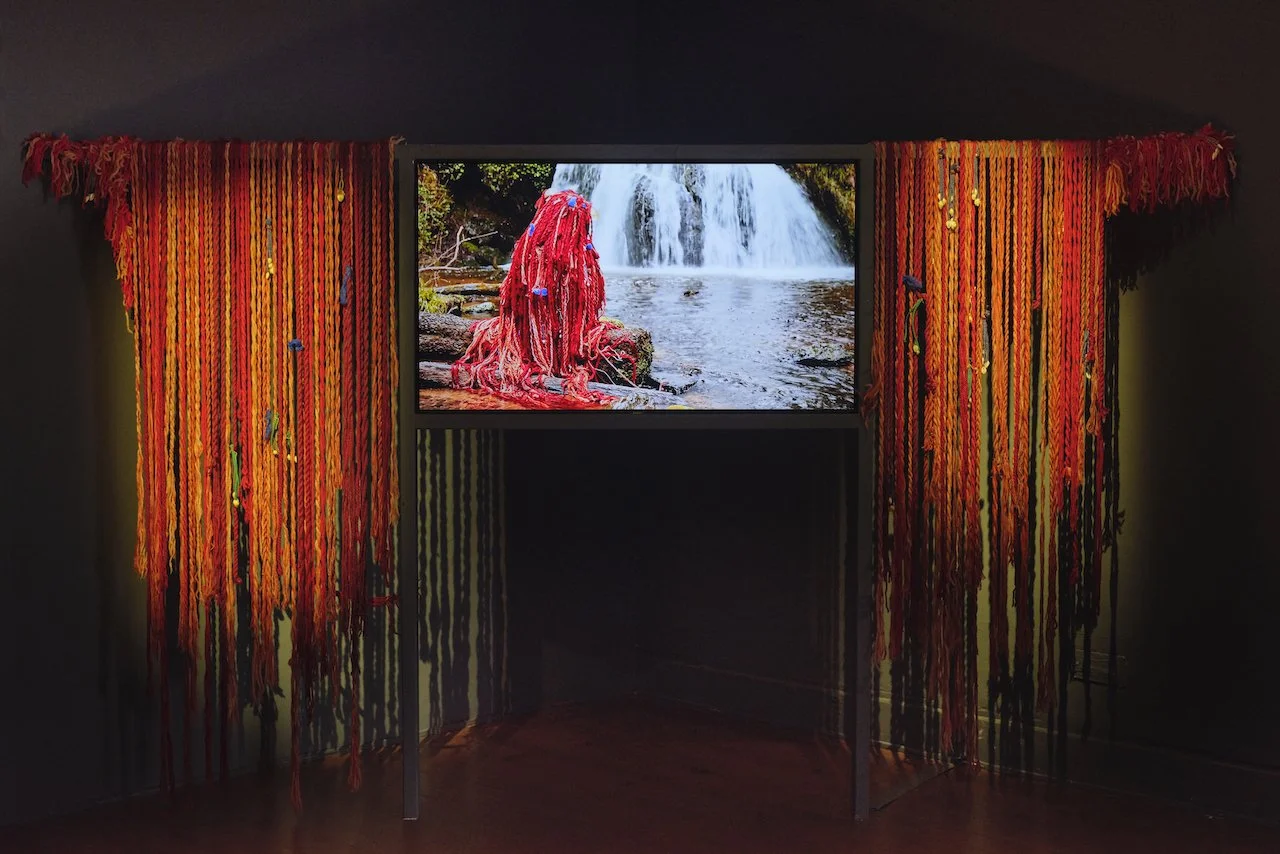
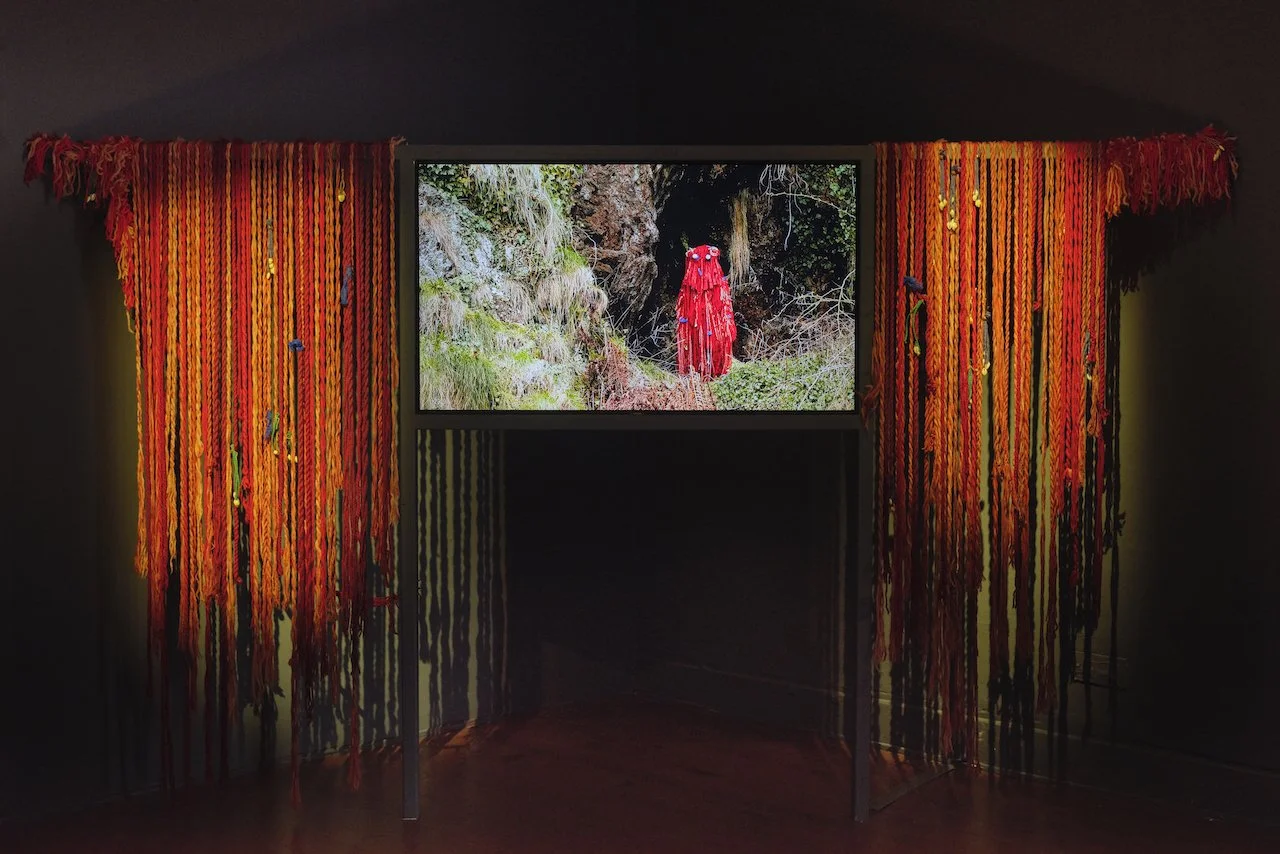
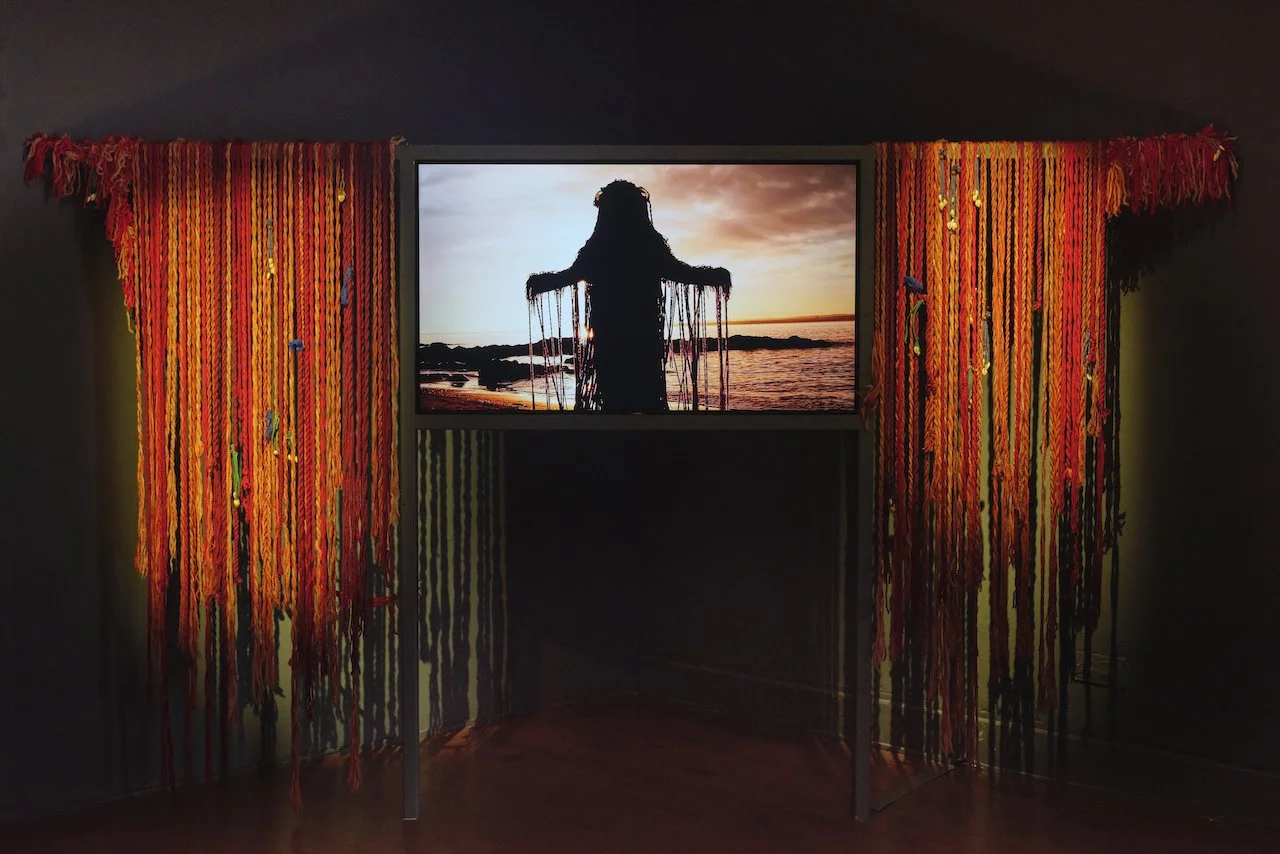
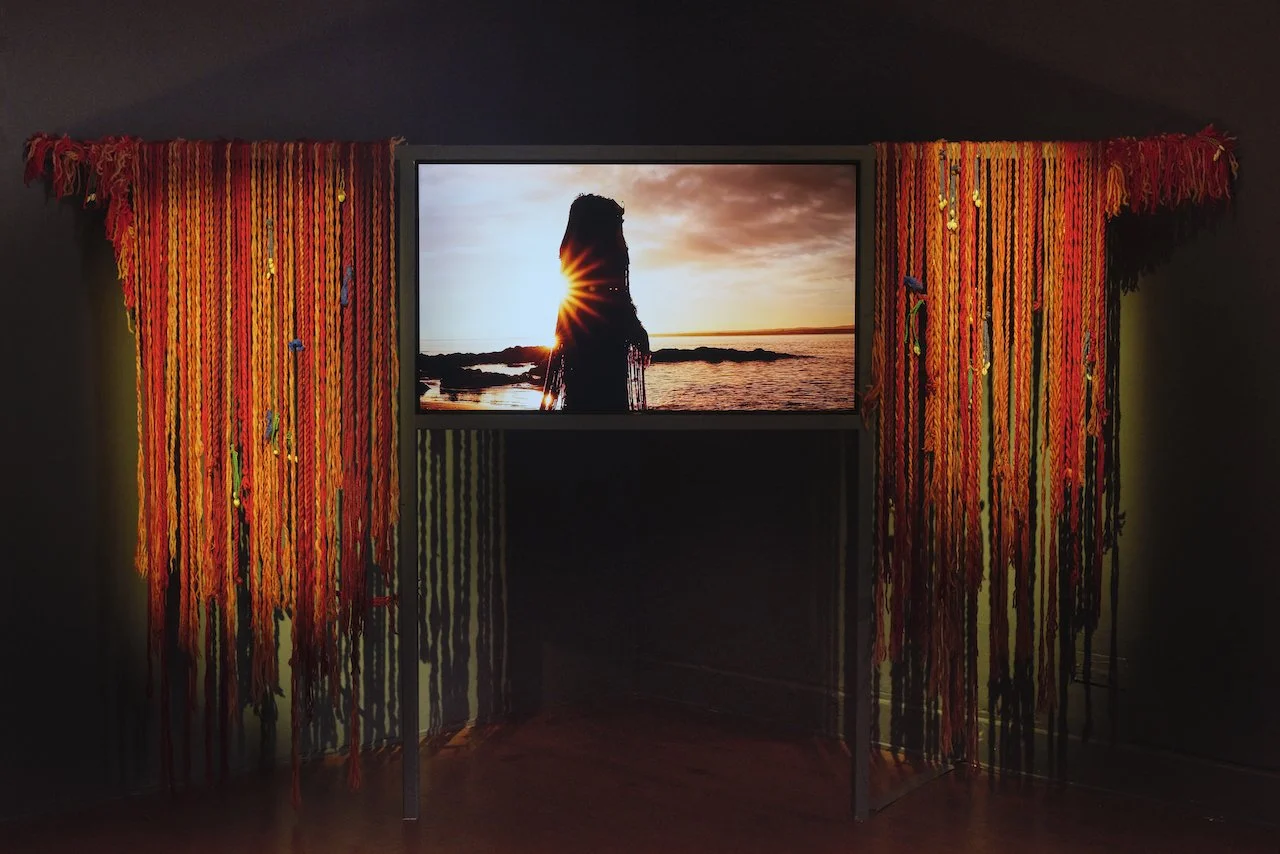
symphony for a fraying body is a body of work borne from a fascination with both siphonophores (aquatic creatures whose existence depends on complex, interdependent networks of multiple organisms) and mythological shapeshifters such as Aïcha Kandicha, a Moroccan river-dwelling djinn. The film follows The Creature, a costumed, fugitive entity who meanders through rock pools, waterfalls, and seafronts, crossing land and water to eventually return euphorically to the sea. Madder-root-dyed, hand-made ropes, initially created for The Creature’s costume, are reconfigured to create a frame for the film. Footage of the dyeing and rope-making process sits alongside images of colour seeping into water, as the tendrils of the dress trail across the ground and sway in rhythm with The Creature’s movements. A percussive soundtrack swells and stills with melodies and repetitive rhythms inspired by Gnawa and Celtic music, echoing the artist’s own heritage. Through myth, movement, and the sea, the work traces fugitivity, rage, and gestures of solidarity with non-human others.
symphony for a fraying body, 2023
Digital Film
tendrils of a fraying body, 2023
Wool, cotton, polyester, madder-root, and cowrie shells
Madder-root cushion, 2025
Madder-root, cotton, and polyester
Mourad Ben Amor
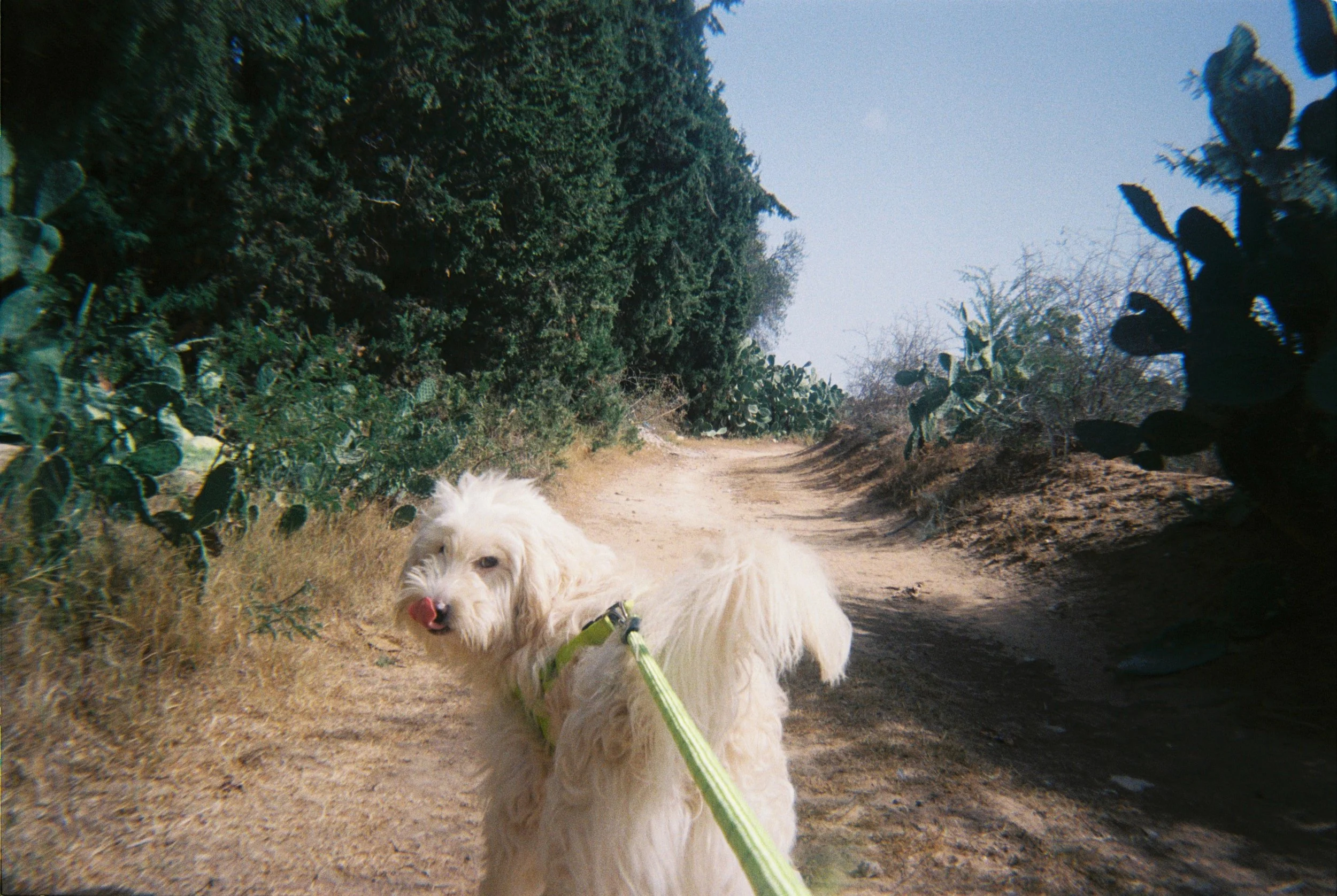
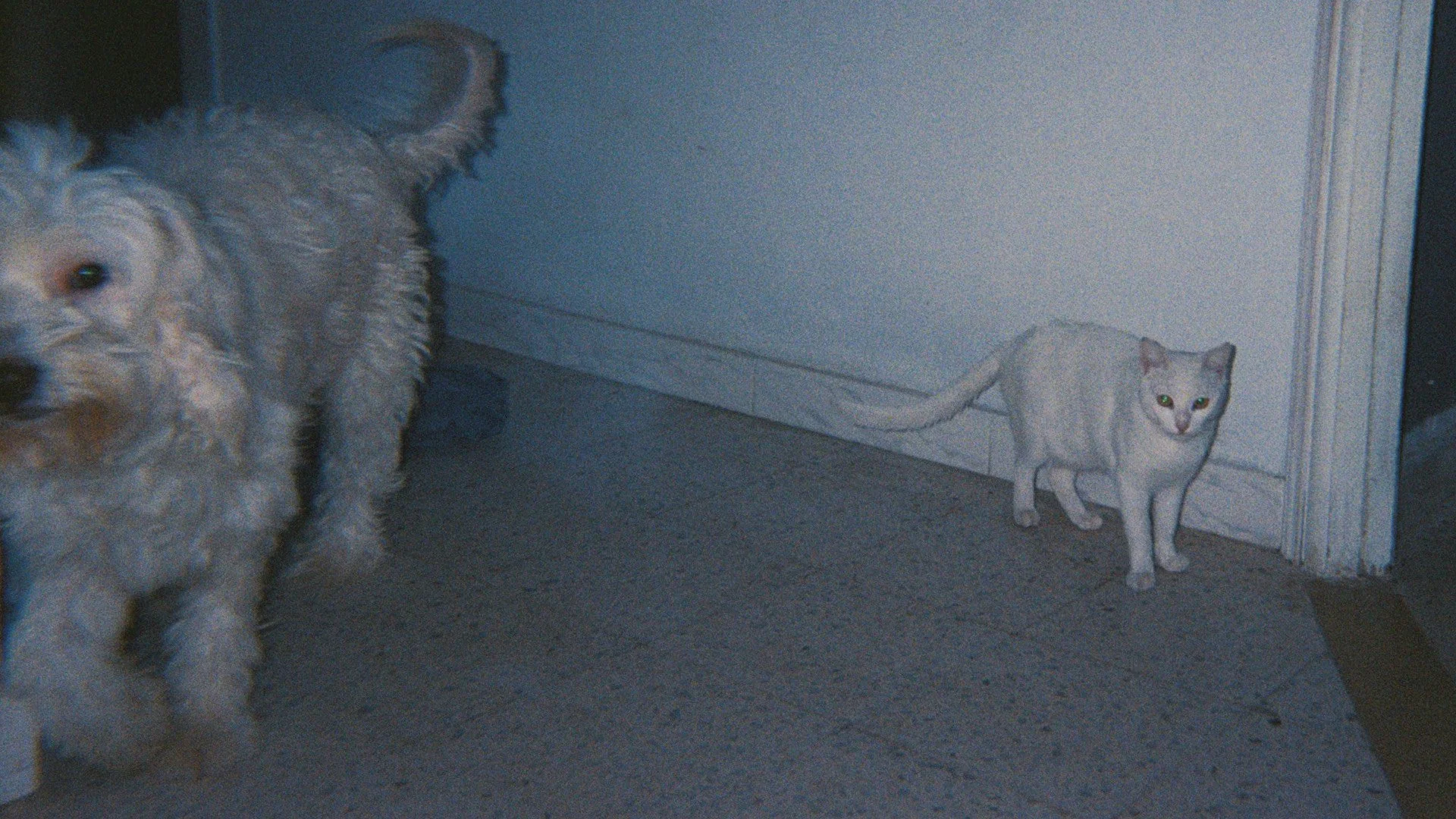
The road, the house, the key, the animals, Bamssi. Images with the urgency of an Instagram story create a dialogue within the family across the sea: Mourad and Fairuz, Tunisia and abroad. You have to go to the roof to see something of the surroundings: the railway behind the house. Away from the house, away from home. Street dogs and cats in front of the house. Without a house, without a home. The sound of the train carries a disturbing longing. The image of the sea opens up a dangerous desire. To stay. To dream. Time passes both slowly and quickly when the possibility of new life disrupts the routine.
Bamssi, 2024
Video, colour, 16:9
Made in a dialogue with Fairuz Ghammam
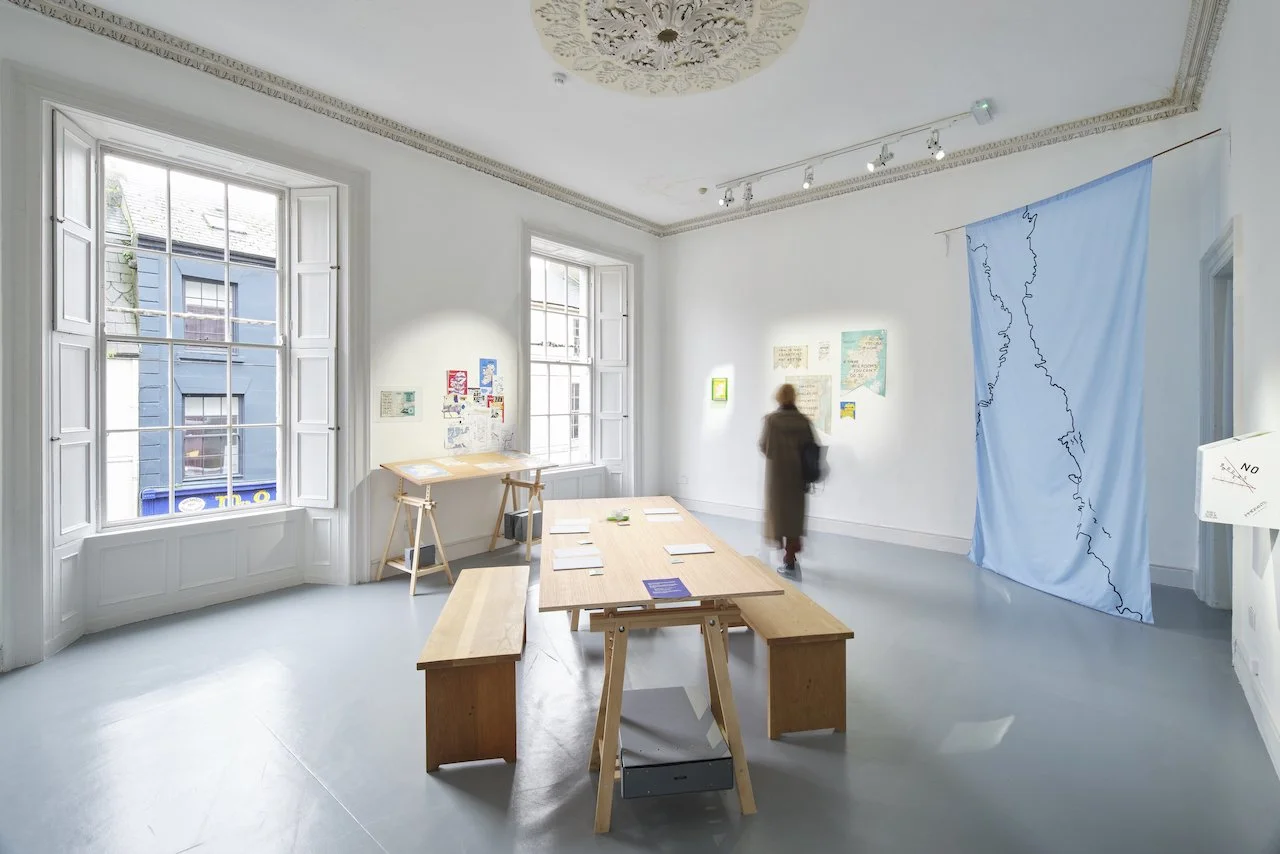
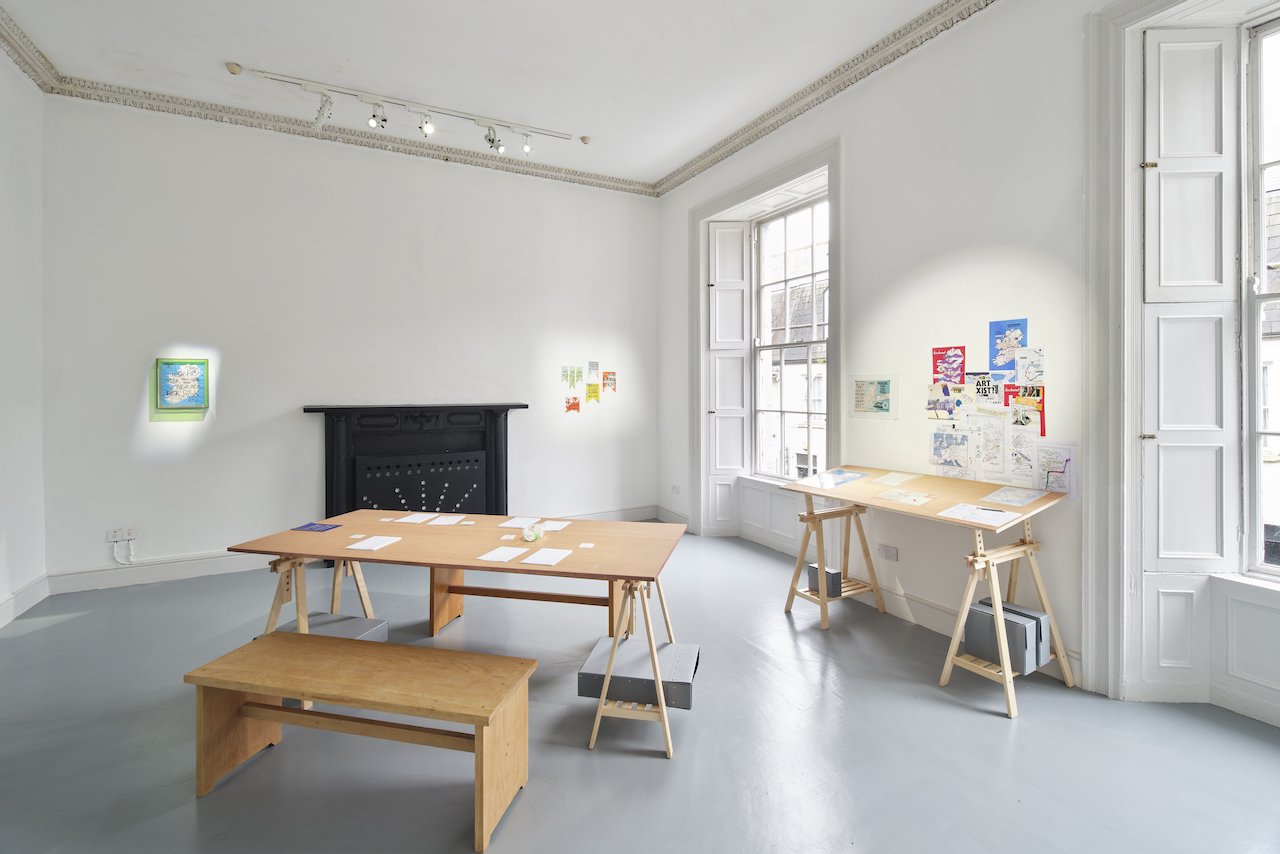
Bojana Jankovic & Nessa Finnegan
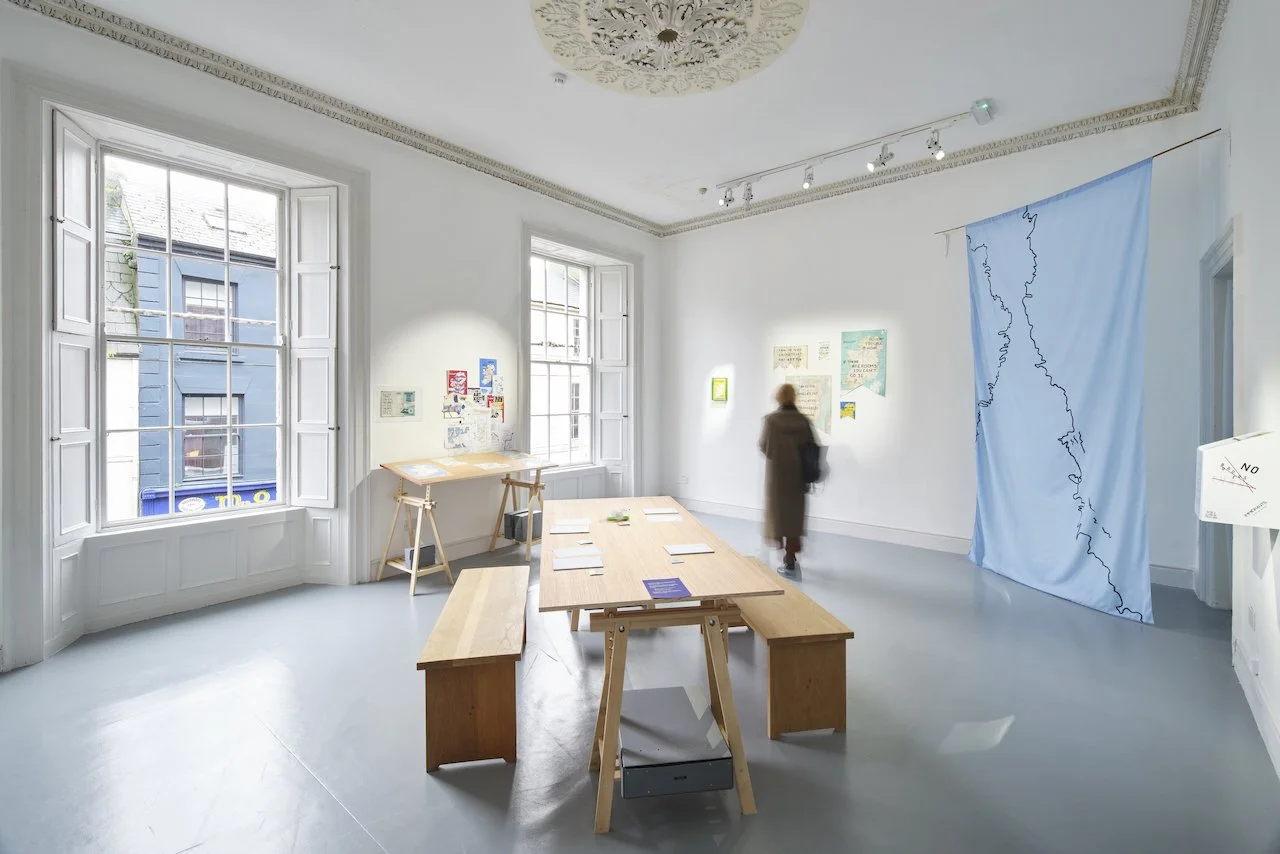
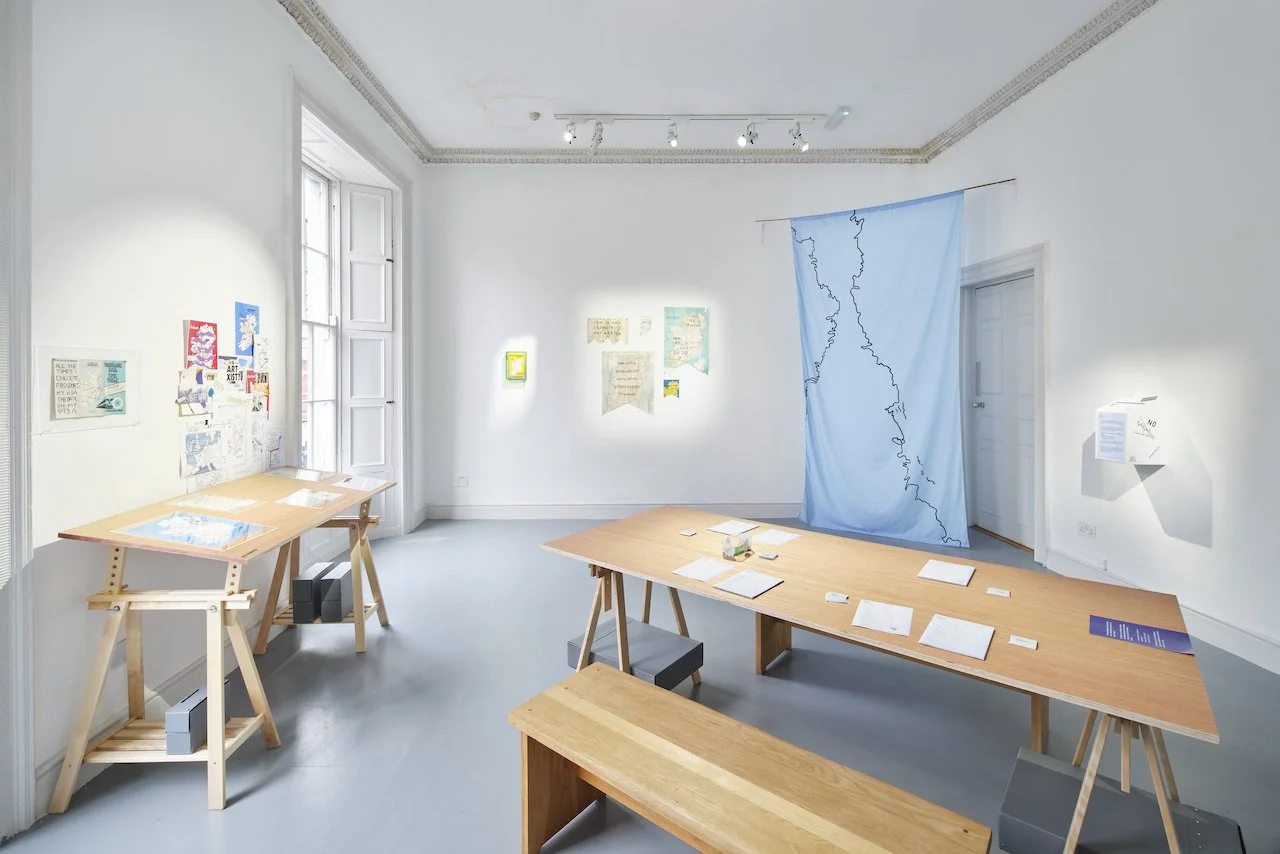
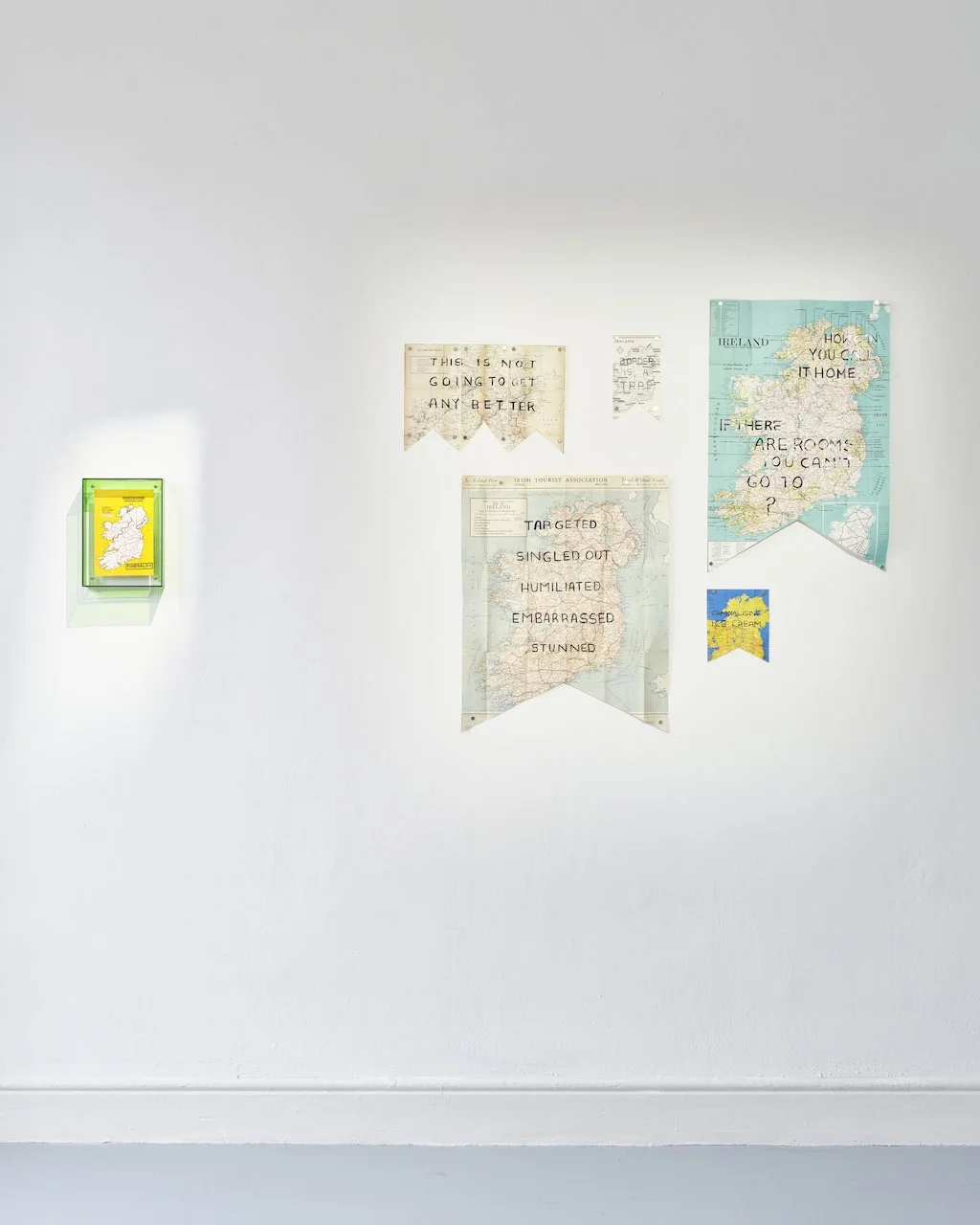
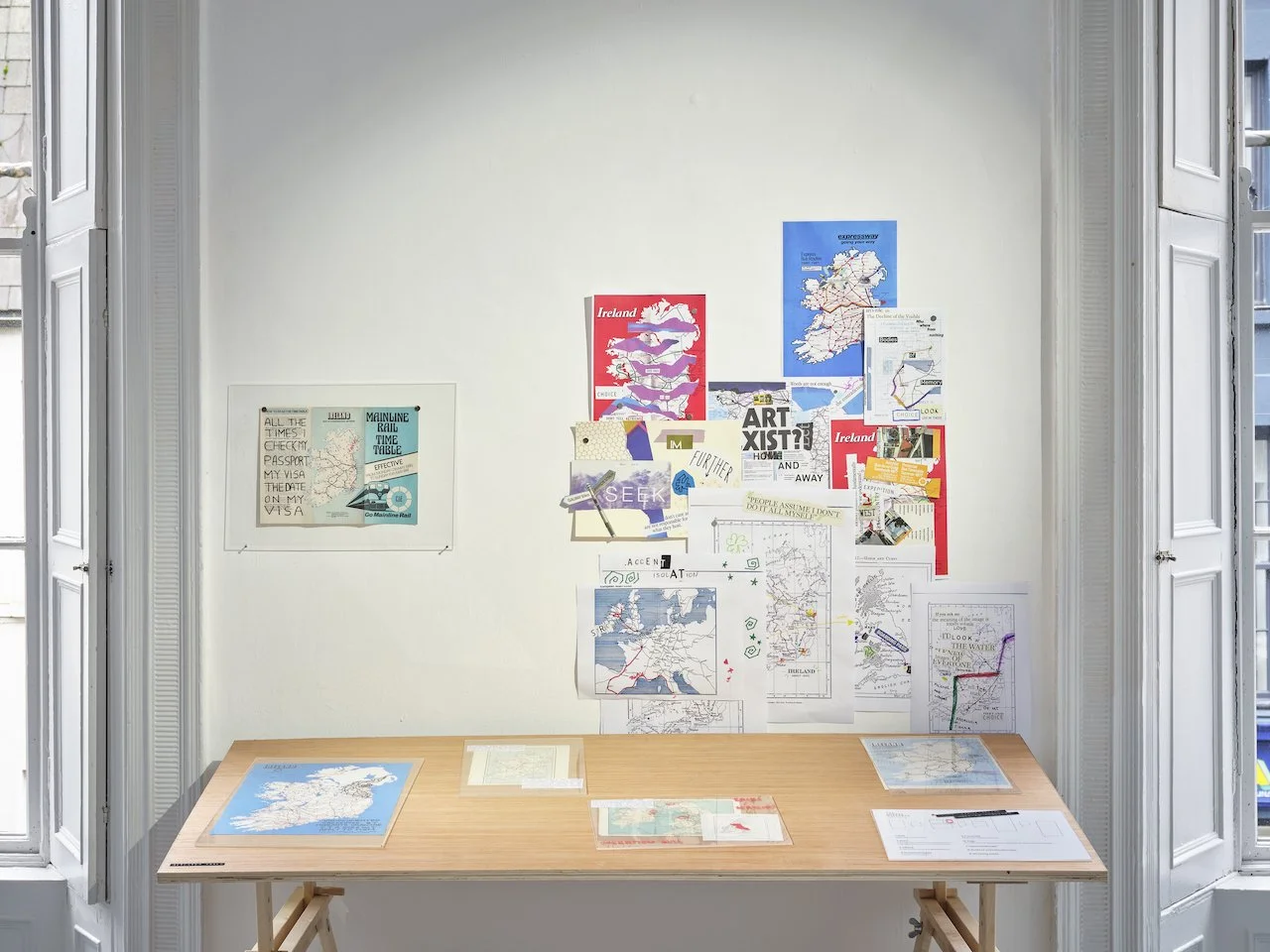
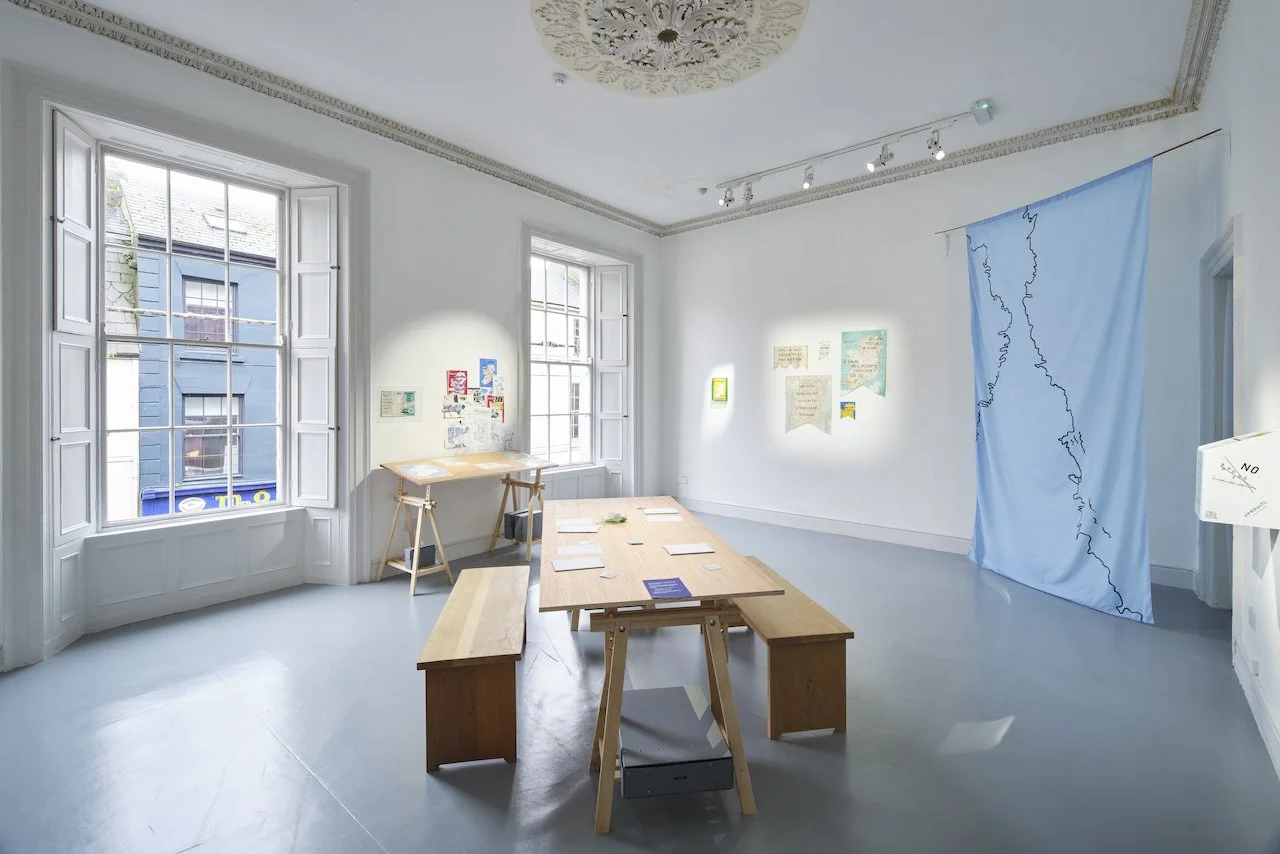
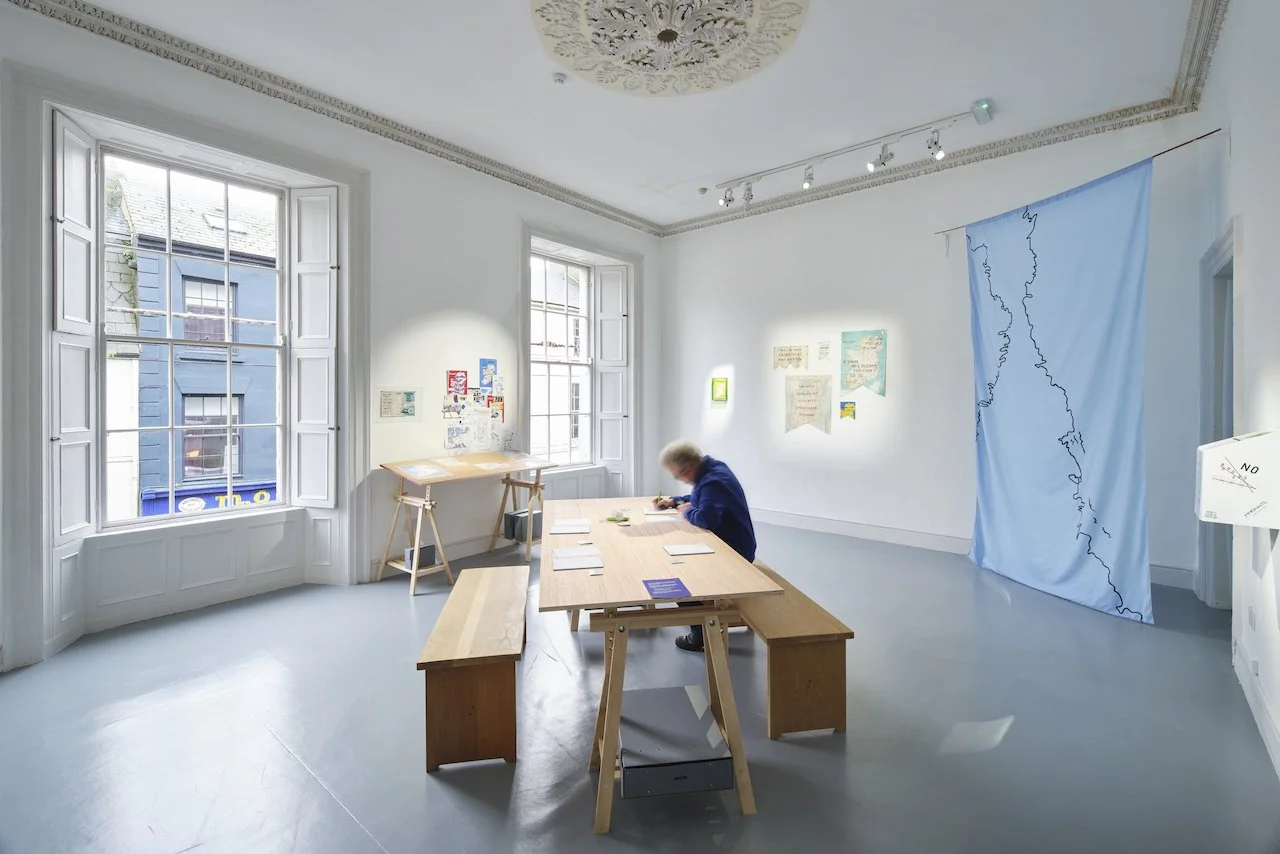
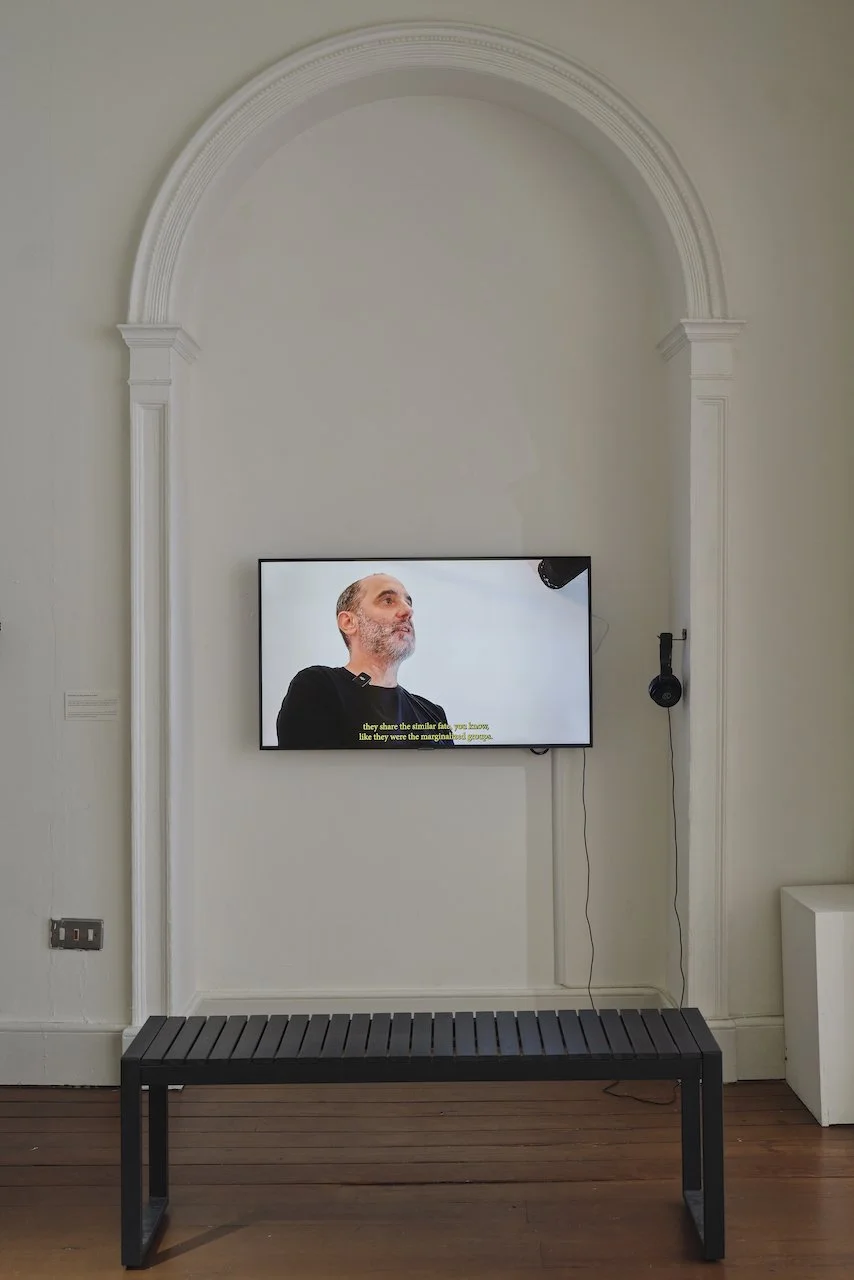
Shared Migrants (Archive) documents what it feels like to be a migrant on the island of Ireland. The community co-created archive collects migrant words, reflections, drawings, and scribbles reflecting on interactions with the ‘Irish border’, understood as both a physical line and a regime of exclusion - from territories but also rights and histories. Sidelining the digital data collection practised by mechanisms of border control and using methods of counter-mapping, the project centres migrant knowledge: instead of collecting ‘facts’ about migrants, the Shared Migrants (Archive) considers and documents how the border feels for migrants on the island. Shared Migrants (Archive) is open for new contributions throughout TULCA.
Shared Migrants (Archive), 2024
Mixed media
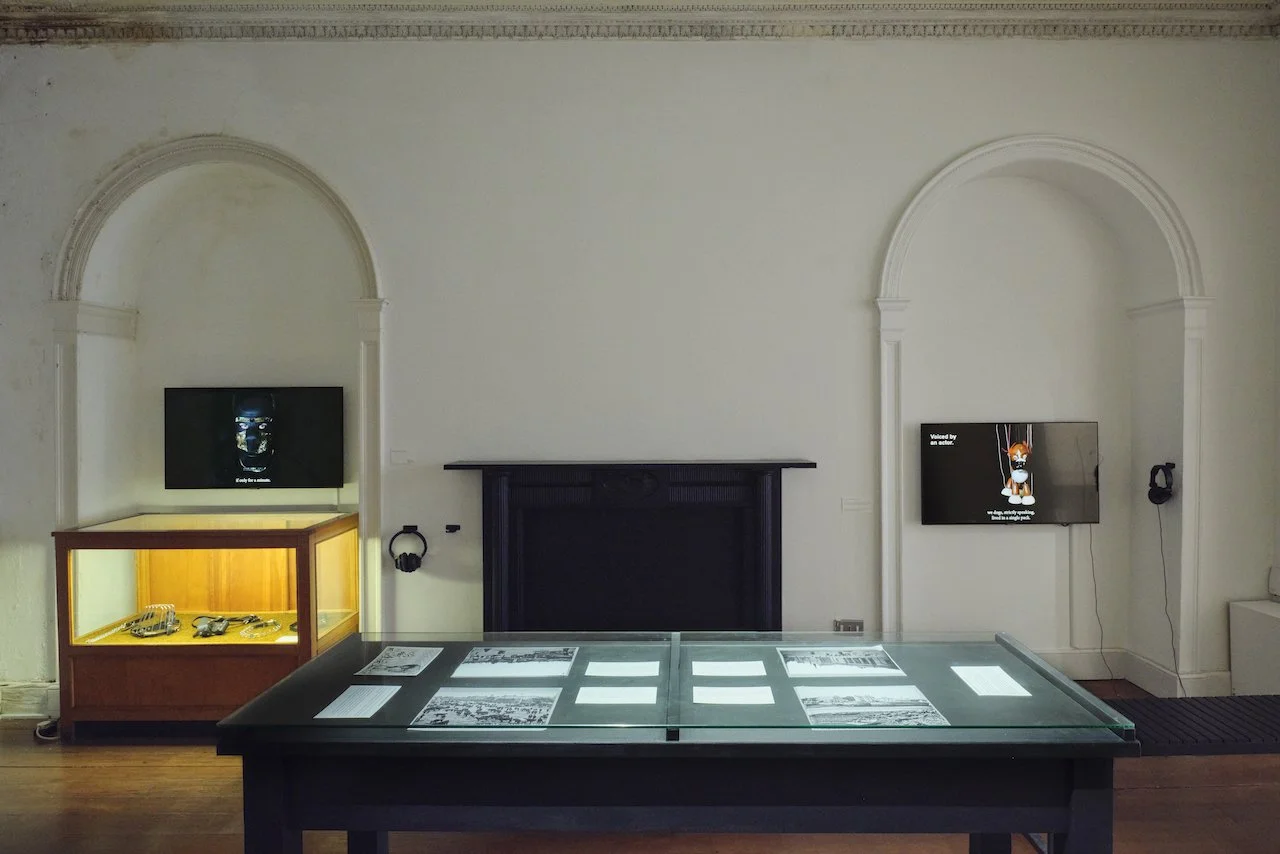
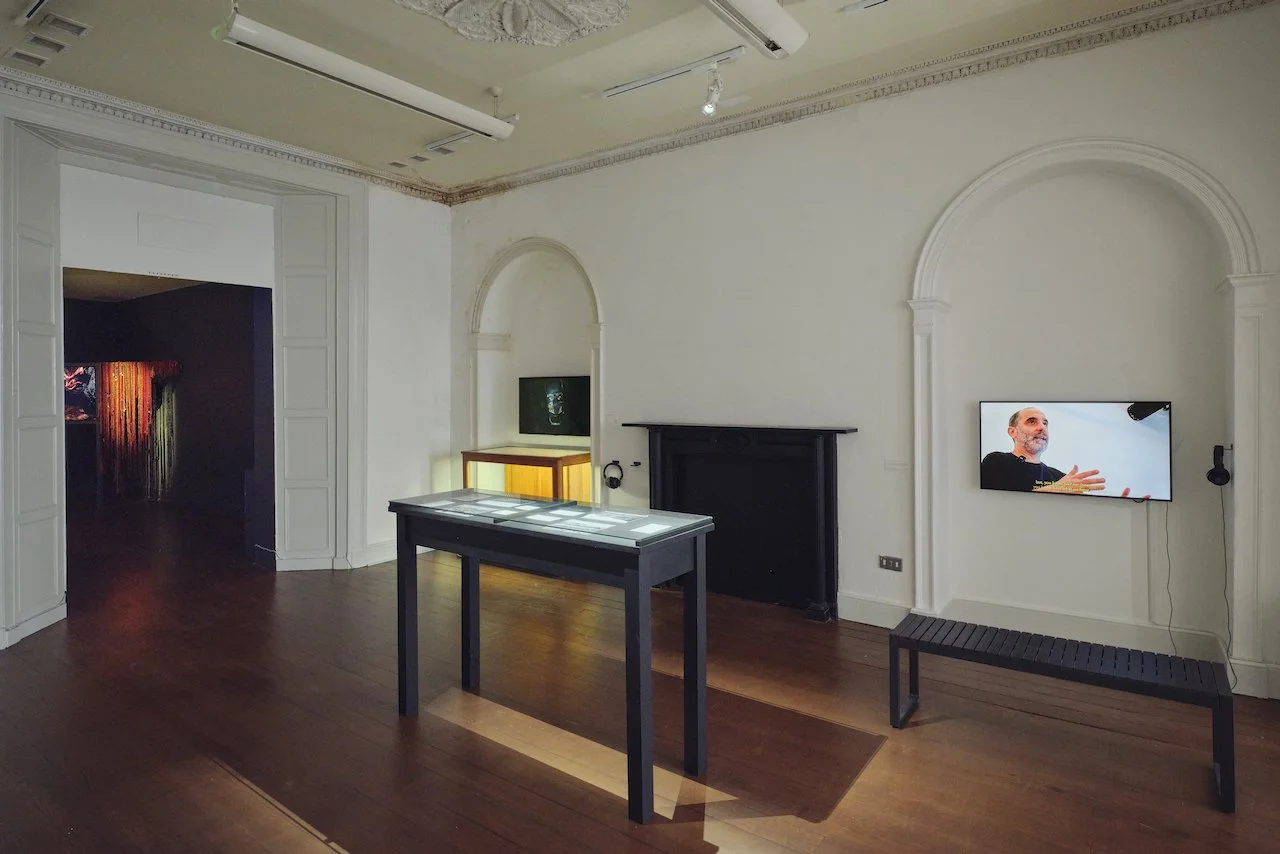
Tom O’Dea
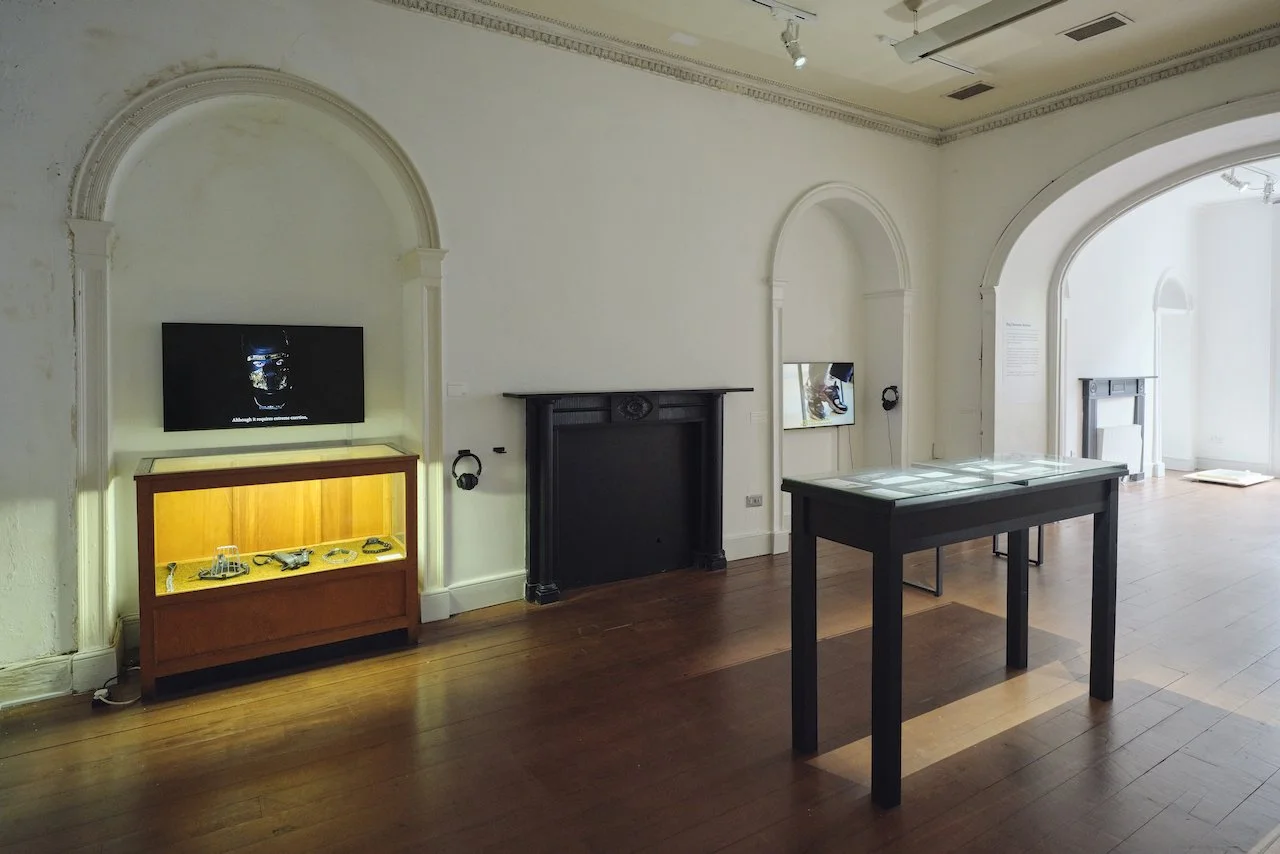
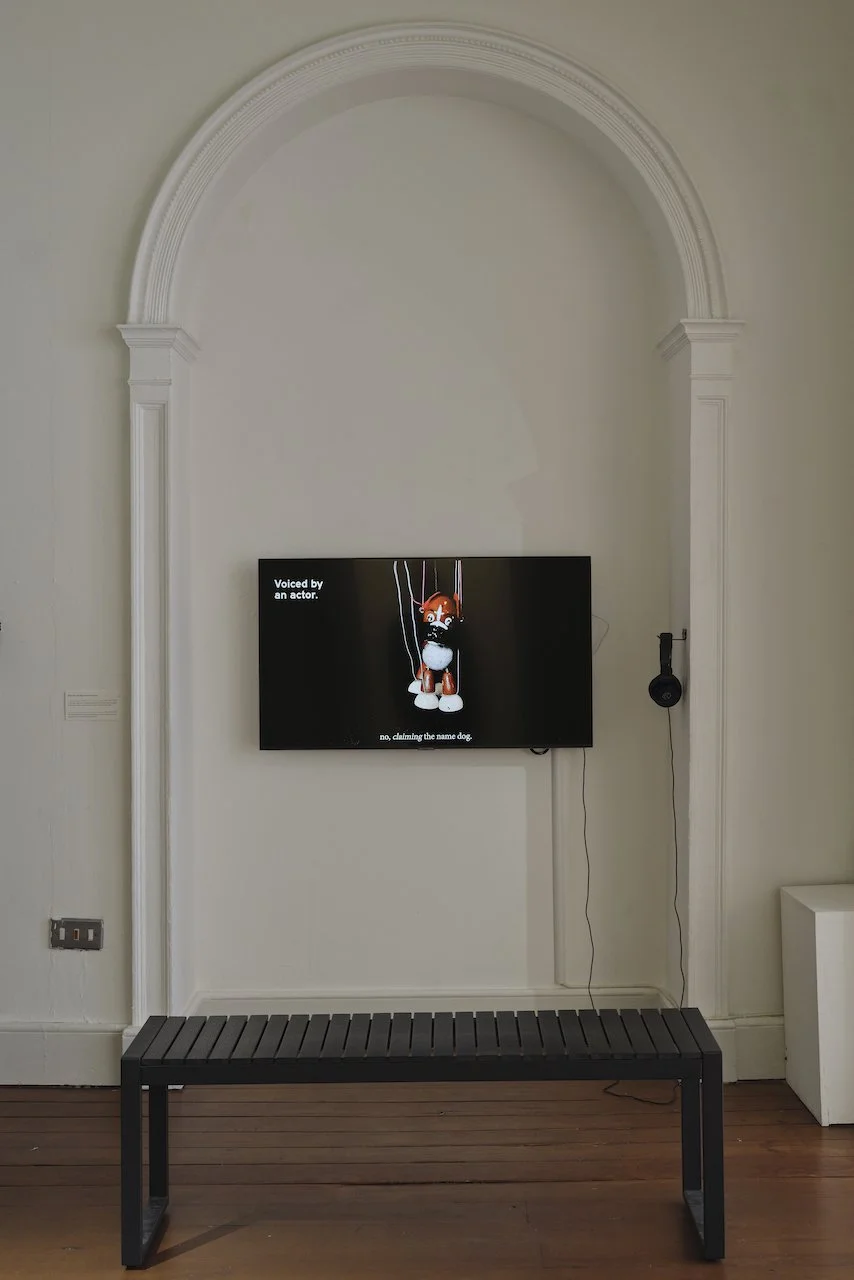
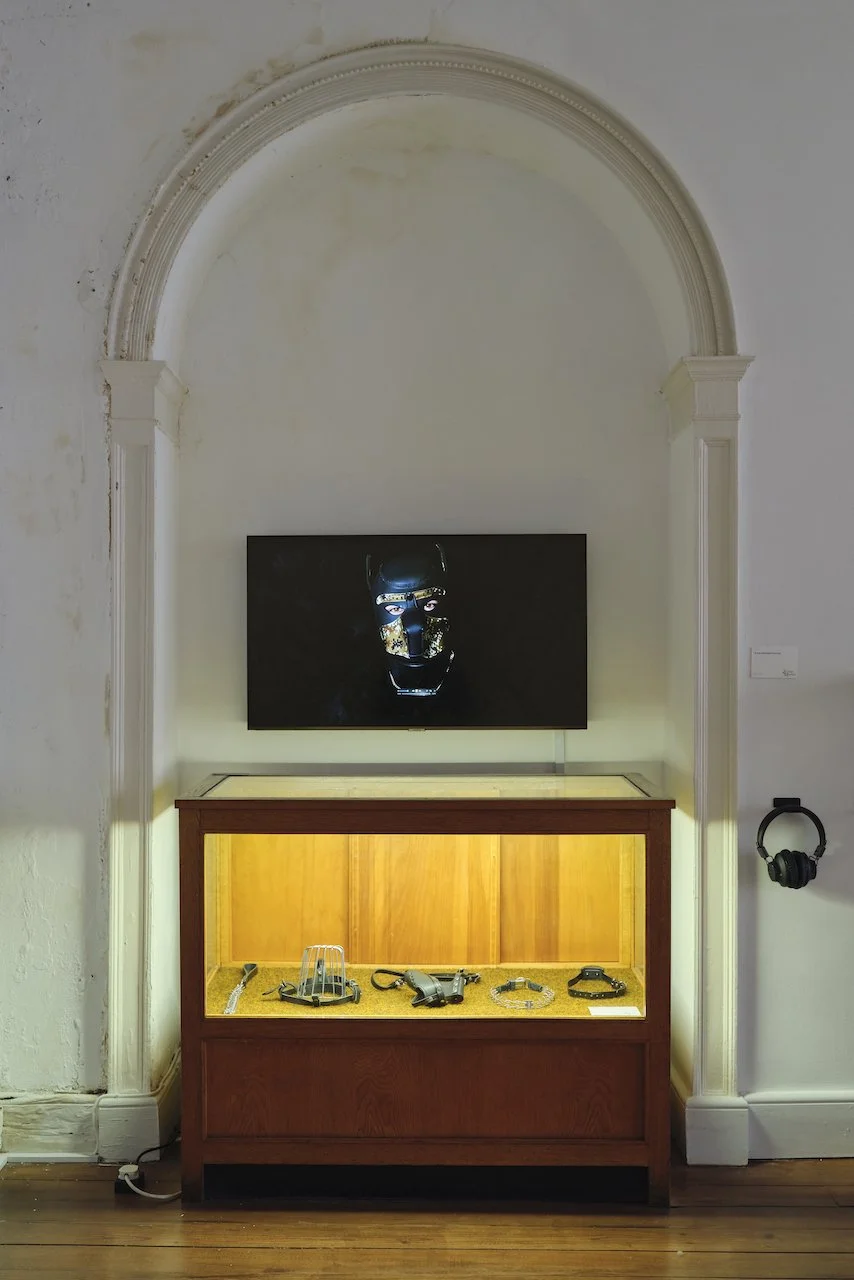
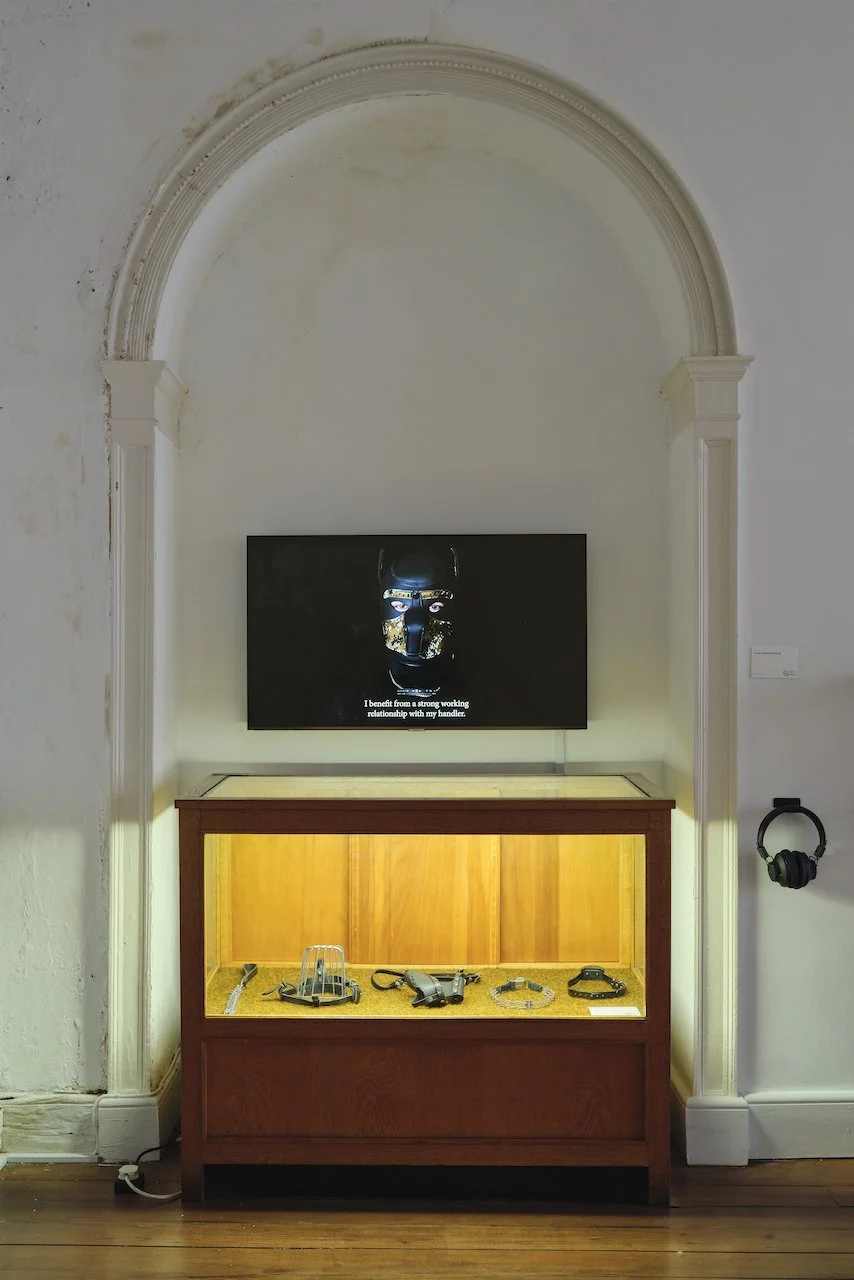
In Dog Liberation Archives, Tom O’Dea assembles material to form a speculative archive of dog liberation struggles of the early 20th century and their influence on contemporary animal–human relations. Central to the work is documentary material relating to the activities of the Dog Liberation Organisation (DLO), a para-fictional militant group devoted to “the creation of a new social order of species interrelations based on the liberation of dogs and other species from human control.” The installation includes the DLO Canis Major Flag and an archive of material tracing the activities of the DLO in Galway city in the early 20th century. These records are positioned alongside historical and contemporary reflections that voice differing perspectives on the politics of dog-human relations.
Dog Liberation Archives forms the basis of O’Dea’s developing series, Companion, which examines human relationships with other forms of being and matter. The series challenges anthropocentric definitions of “life” that rely on human-centred notions of language, sentience, individuality, and reproduction. The works reflect on the role of the voice in political action, and what it means to speak with, speak to and speak for another.
Dog Liberation Archives, 2025
Mixed media
Abel Shah
Collaborating since 2017, Abel Shah is an artist duo consisting of Alex Bell and Giulia Shah. Language and translation are core subjects in their practice - questioning the dissemination of knowledge and seeking alternative modes of communication. Through a poetic approach, they construct objects, texts, images, and sound that often manifest as multi-media installations, and build frameworks for dialogue and collaboration.
The relationships between image-object, physical-virtual, verbal-nonverbal, past-future, regeneration-decay are highly significant in their practice, reflecting the ongoing exchange and multitude of experiences that exist when making art as a non-singular artist. These are not thought of in binary or opposition, but as a constellation or dialectic diagram — where the tensions and flux of invisible structures/voids/the-in-betweeen blur notions of hierarchy and obstruct linear readability.
As a duo, collaboration and the idea of the host—holding space for others’ thoughts—are constantly present in their ways of working. Since 2018, they have been running Residency 11:11 from their home in London, a queer-run initiative reflecting their ambitions to find alternative forms of exchange. Their work has been shown at Tate Modern, Gallery Eenwerk, The Newbridge Project and The Corinium Museum.
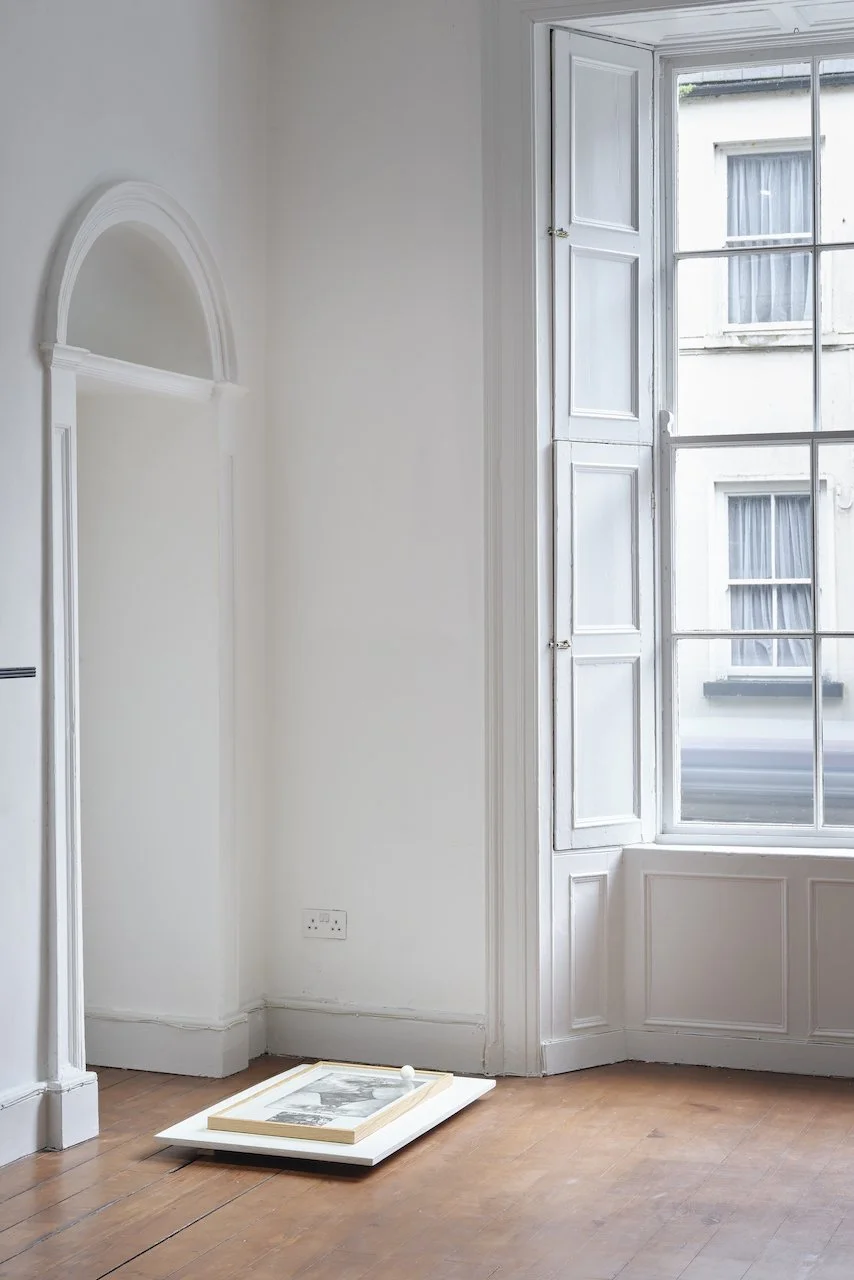
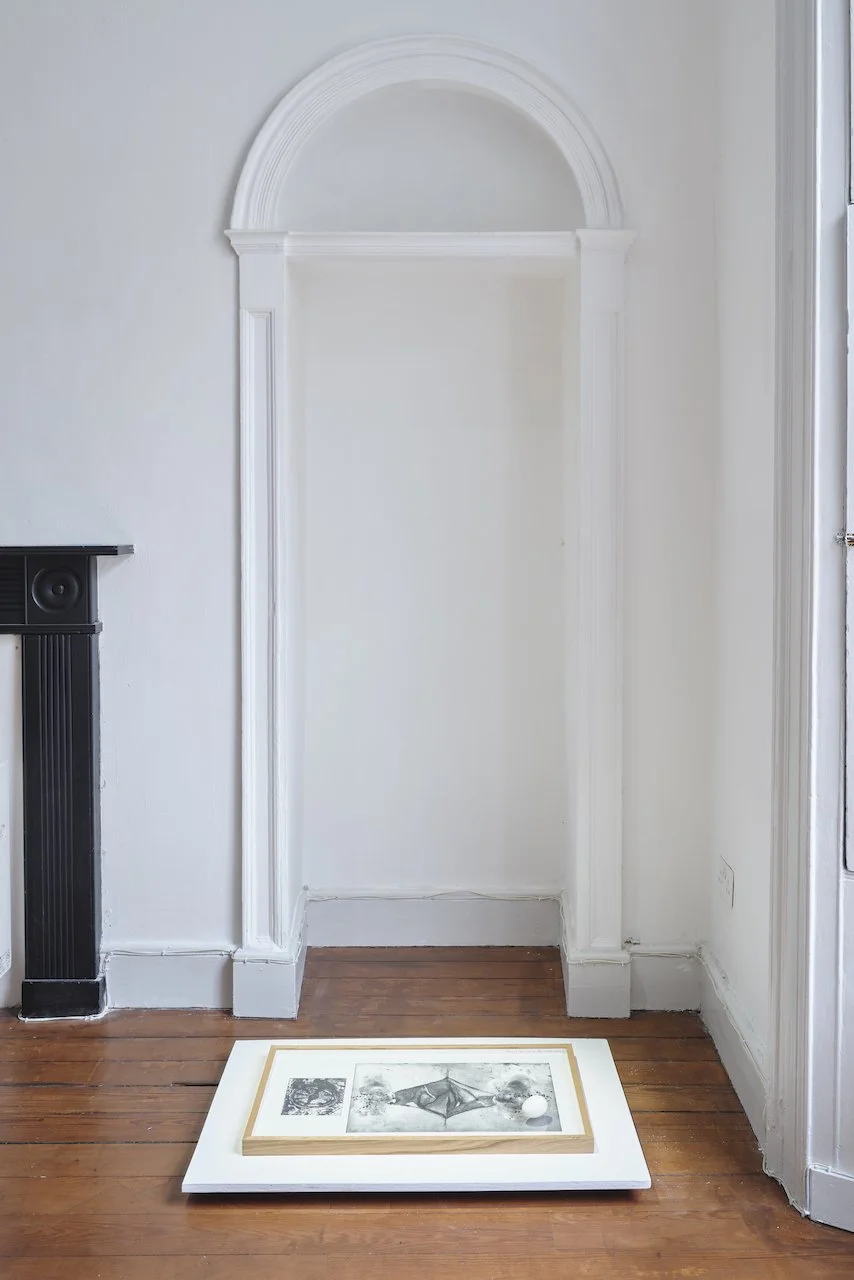
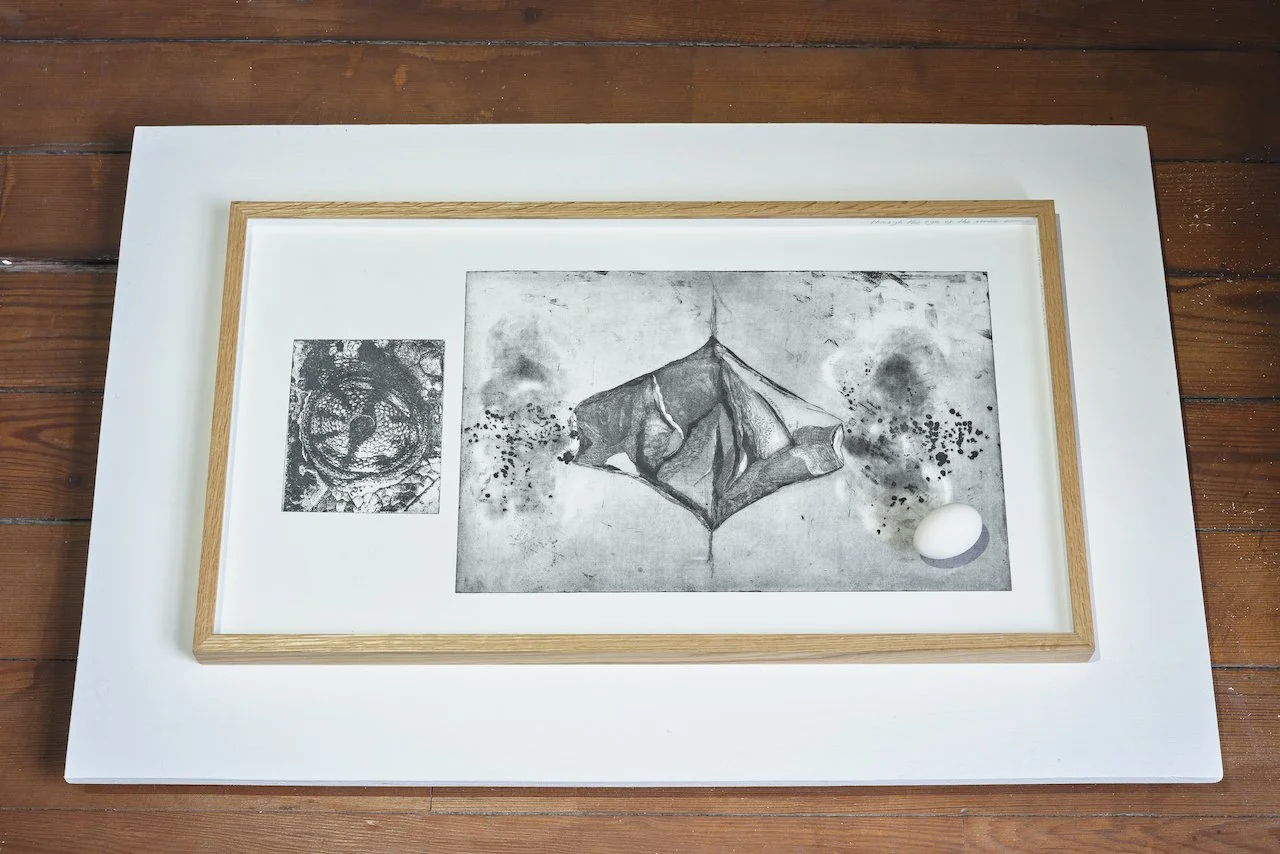
Start: focus, refocus, zoom in, zoom out, release, push, pull, inside, out, (re)presentation, trans-form, time, explode—implode, soft, hard, liquid, contain, spill, spit, mouth(s), adapt… again
Tilt, Shift, 2025
Oak frame, glass, surgical plaster, photo-etching, soup ground aquatint, oil lift, and hard ground on steel
Peter Tresnan
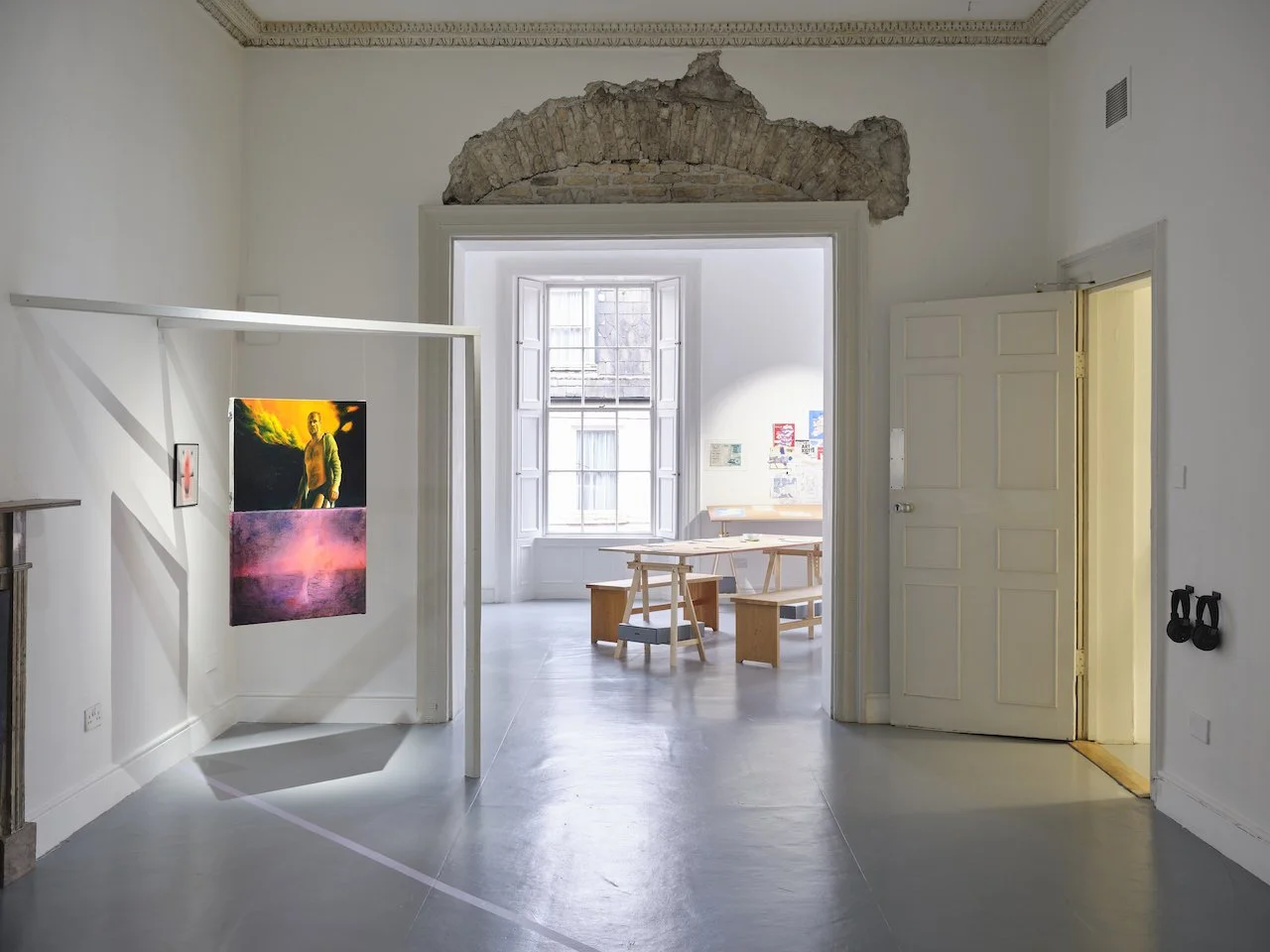
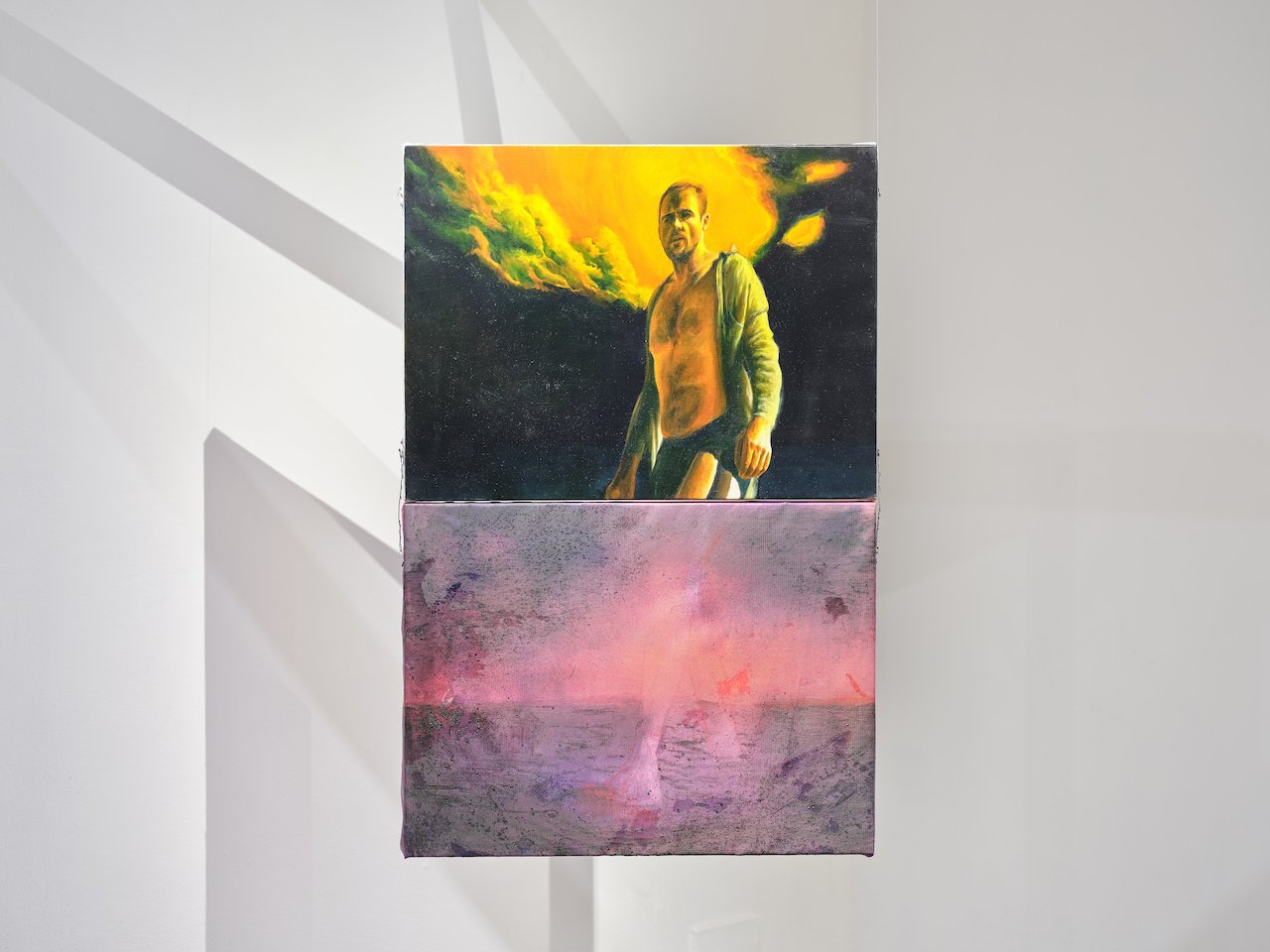
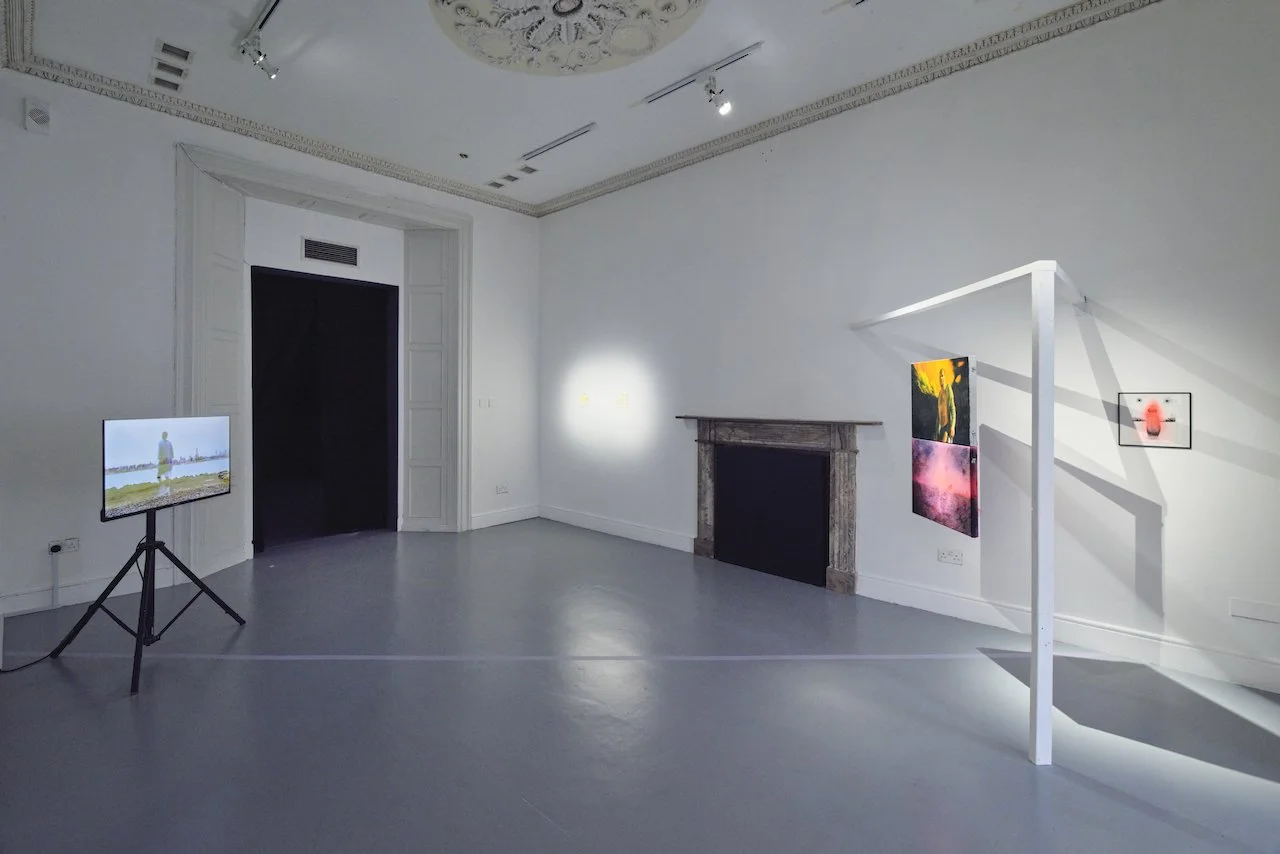
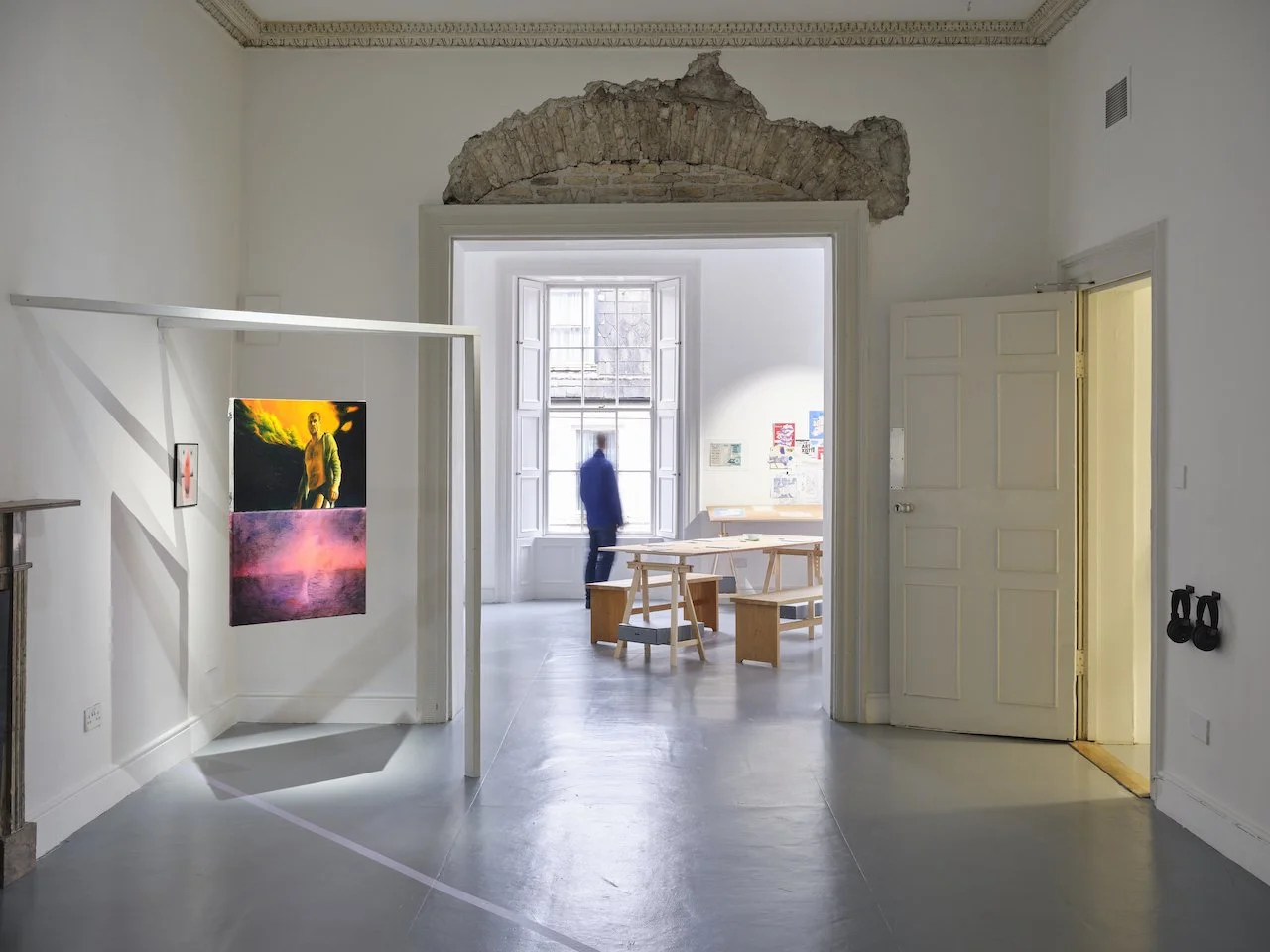
The Longest Shadow Ever Cast is a diptych presenting a singular figure emerging from the ocean. Their gaze is a puddle of emotions set against a vibrant sky and dark clouds, while their body moves purposefully toward the viewer. The vertically arranged diptych is divided horizontally: the upper half rendered in oil on linen, and the lower half an abstracted figurative drawing combining charcoal, acrylics, and spray paint on tulle. Across these media, the figure remains whole, uniting the two canvases. The paintings sit along an axis oriented 254° west-southwest, facing toward New York City. Their doubles are currently in New York, displayed at 334 Broome Gallery, facing Galway at 106° east-northeast. Together, the two diptychs form the poles of a transatlantic cross-section, enclosing a nearly 5,000-kilometre void between the two sites. Opposite the diptych, a single-channel video explores decolonial action and queer joy through the fluidity of bodies in movement, gesture, aggression, and sexuality.
The Longest Shadow Ever Cast, 2025
Oil on linen; acrylic, charcoal, spray paint on tulle
Ebbing, 2025
Digital video, 9.49’
Ebbing, 2025
Audio, 9.49’
Galway Arts Centre
47 Dominick St Lower
Galway H91 X0AP
TULCA Festival of Visual Arts
Strange lands still bear common ground
Curated by Beulah Ezeugo
7-23 November 2025
Galway, Ireland
Video documentation: Jonathan Sammon
Photo documentation: Ros Kavanagh


