• Programme
  • News & Press
  • Exhibitions
  • Talks
  • Podcasts
  • Education
  • Shop
Menu

TULCA Festival of Visual Arts

Street Address
City, State, Zip
Phone Number
TULCA Festival of Visual Arts

Your Custom Text Here

TULCA Festival of Visual Arts

  • Programme
  • News & Press
  • Exhibitions
  • Talks
  • Podcasts
  • Education
  • Shop

News

VAN Interview: Ephemeral Permanence

January 12, 2022 TULCA Festival of Visual Arts
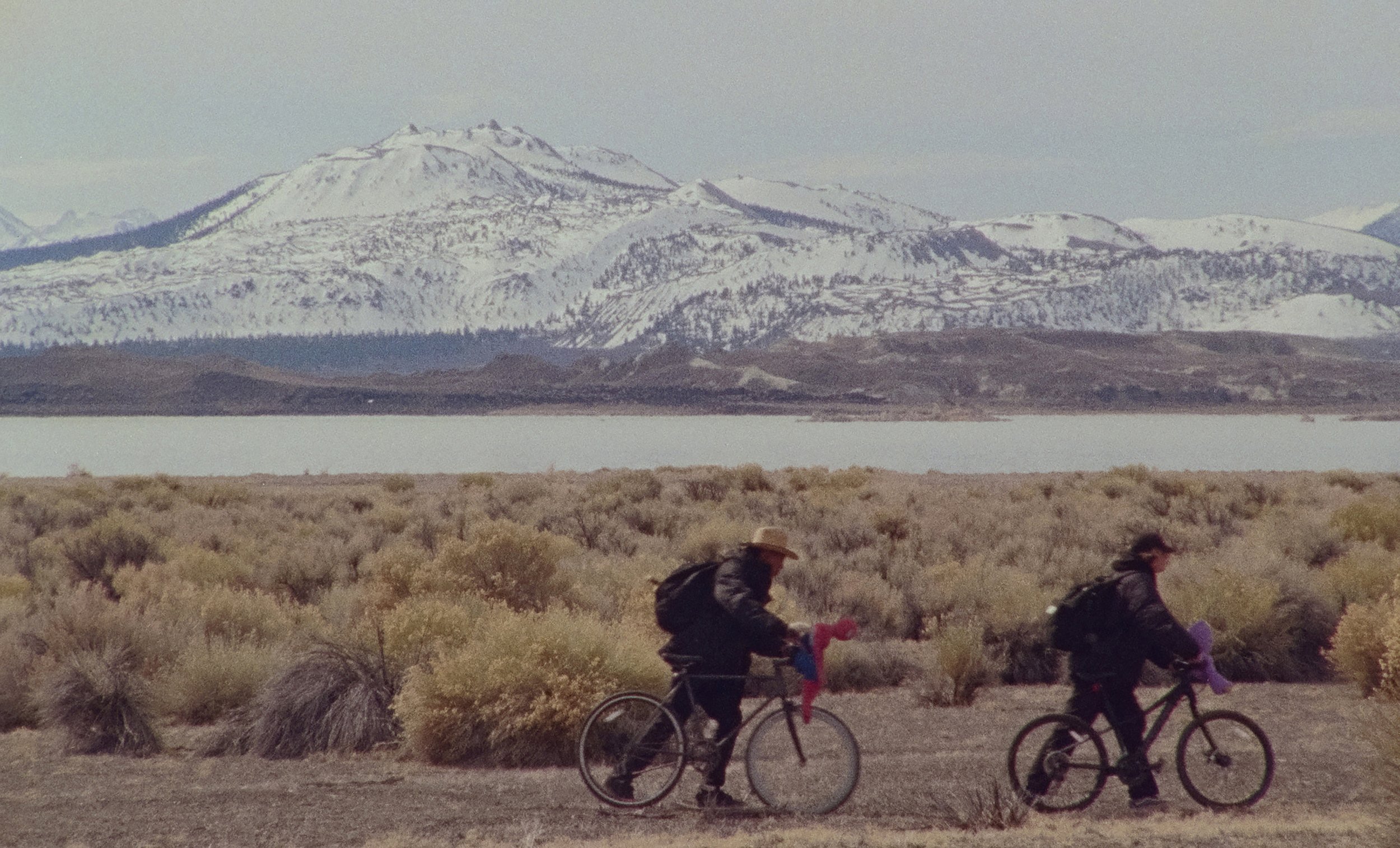
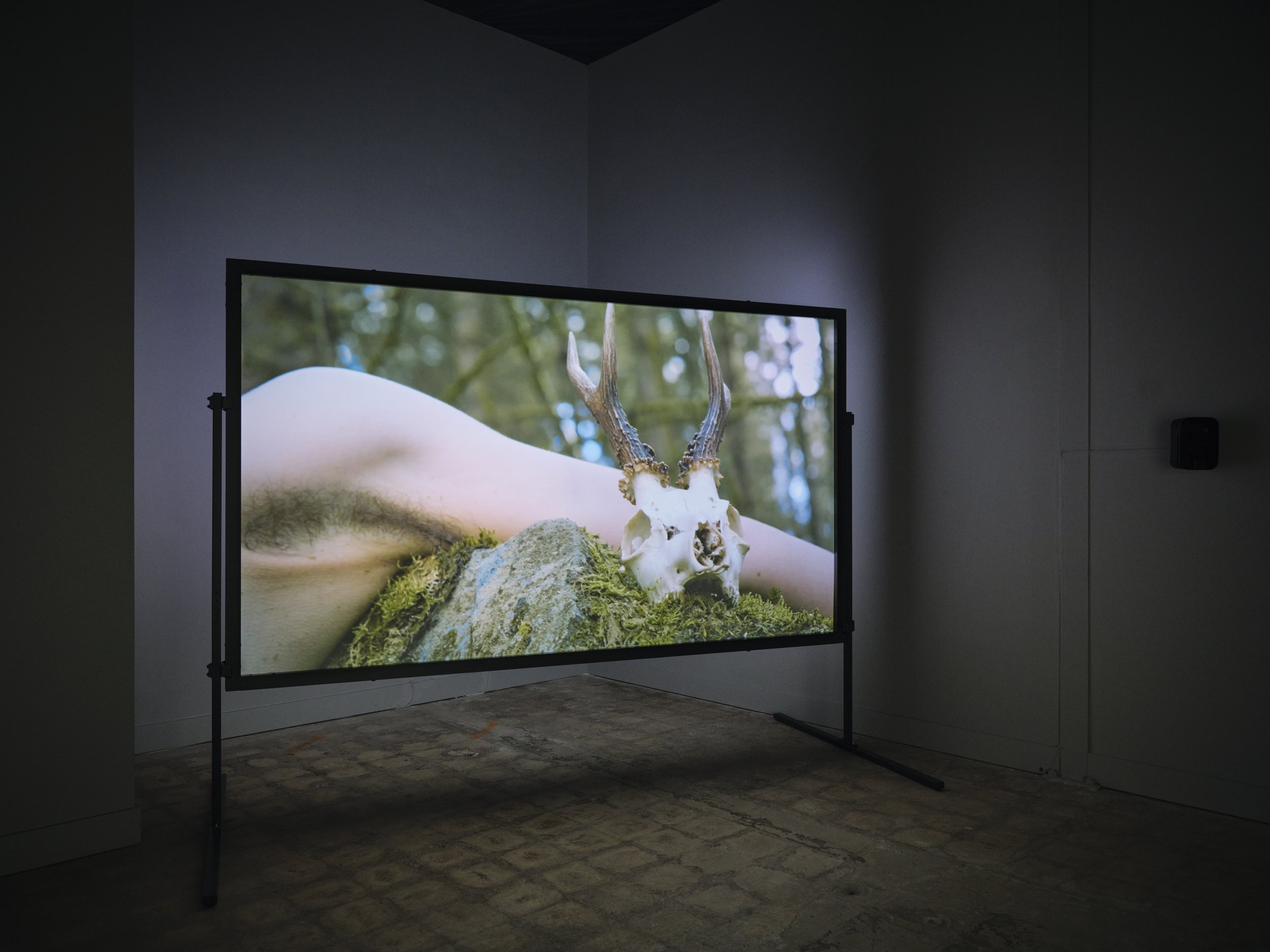
 Stanya Kahn, No Go Backs, 2020, 16mm film transferred to 2K video, with sound. 33 minutes; image courtesy of the artist and TULCA Festival of Visual Arts

Stanya Kahn, No Go Backs, 2020, 16mm film transferred to 2K video, with sound. 33 minutes; image courtesy of the artist and TULCA Festival of Visual Arts

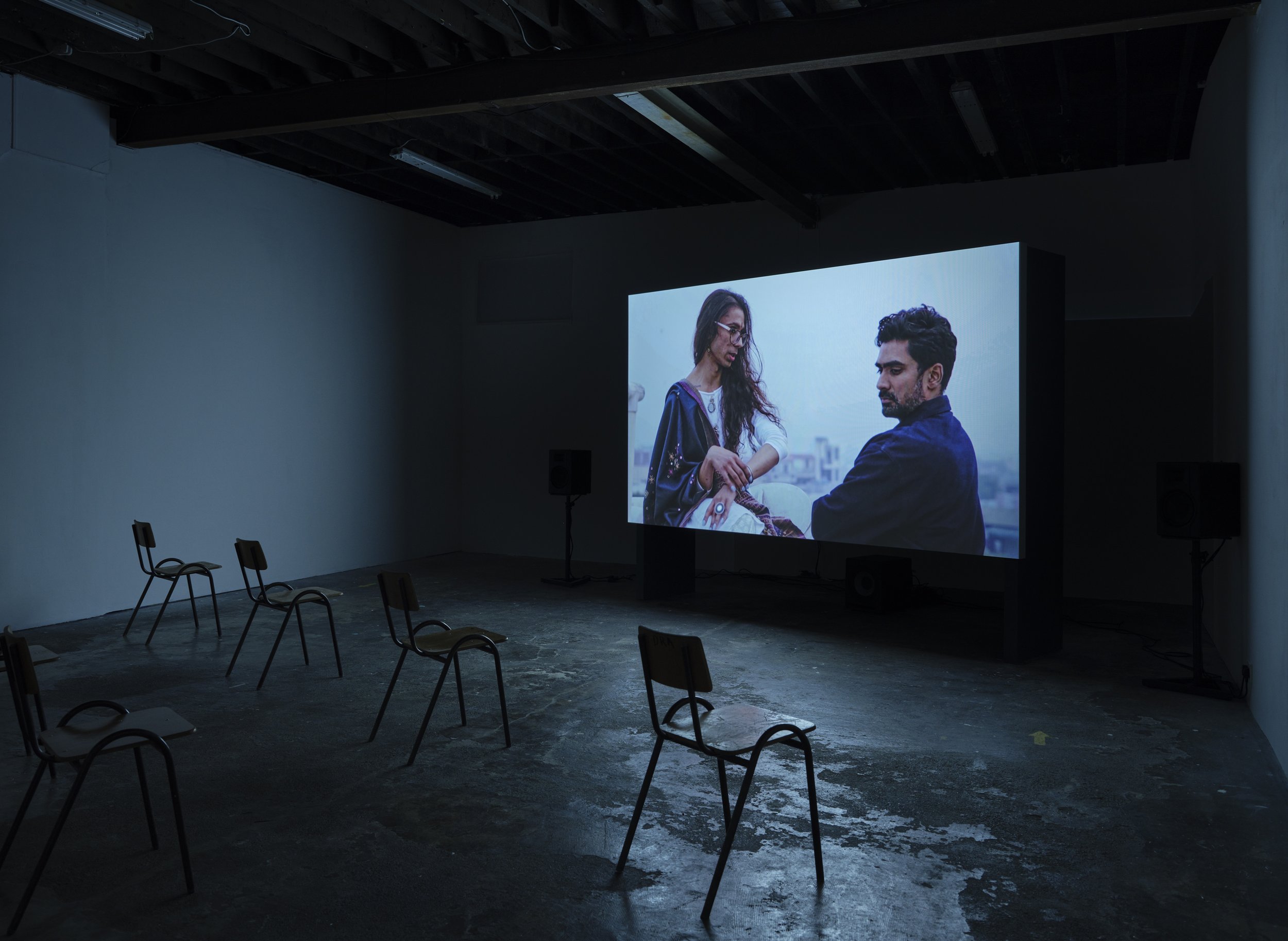
 Vishal Jugdeo & vqueeram, Does Your House Have Lions, 2021, HD video with sound, 48 minutes; photograph by Ros Kavanagh, courtesy of the artists.

Vishal Jugdeo & vqueeram, Does Your House Have Lions, 2021, HD video with sound, 48 minutes; photograph by Ros Kavanagh, courtesy of the artists.

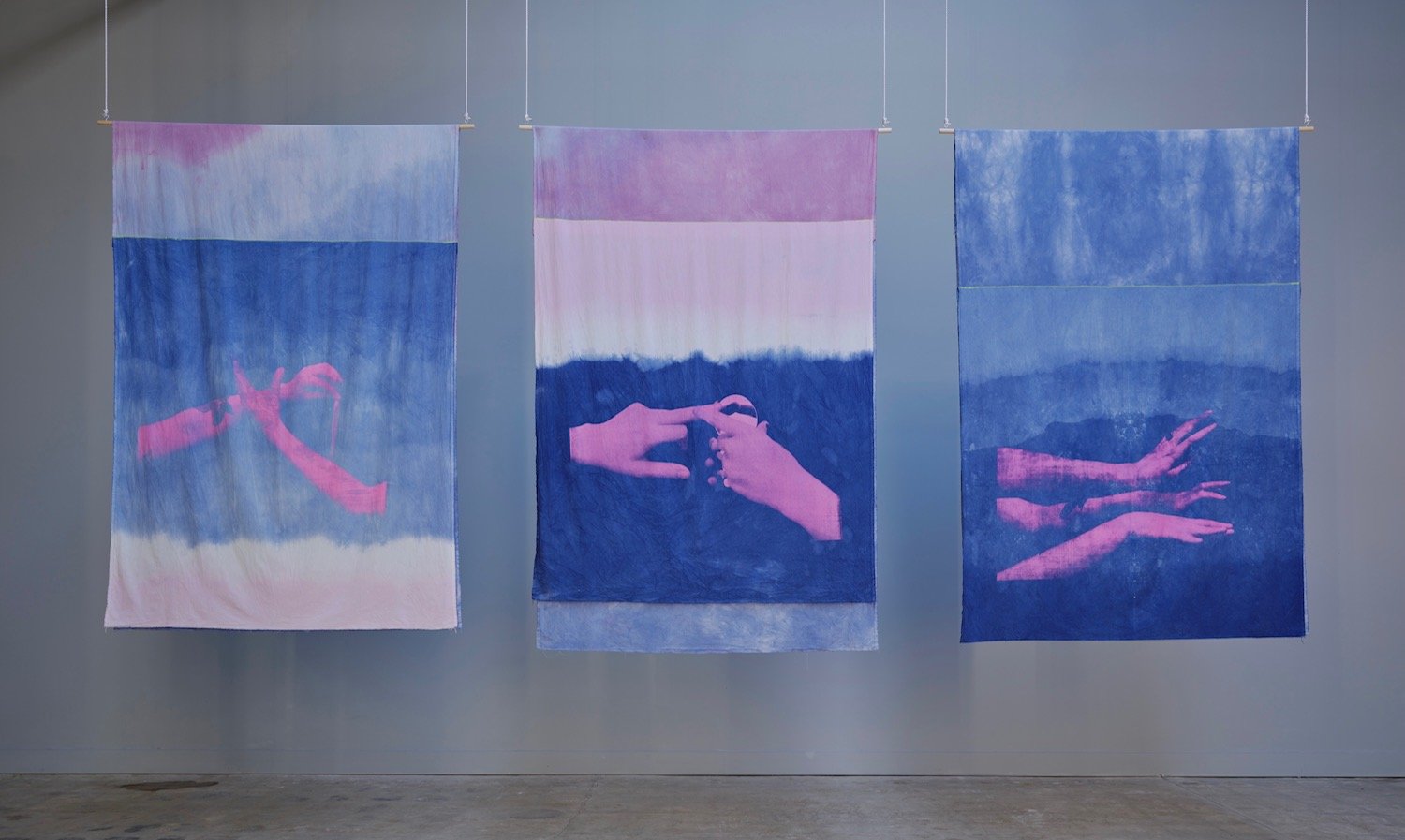
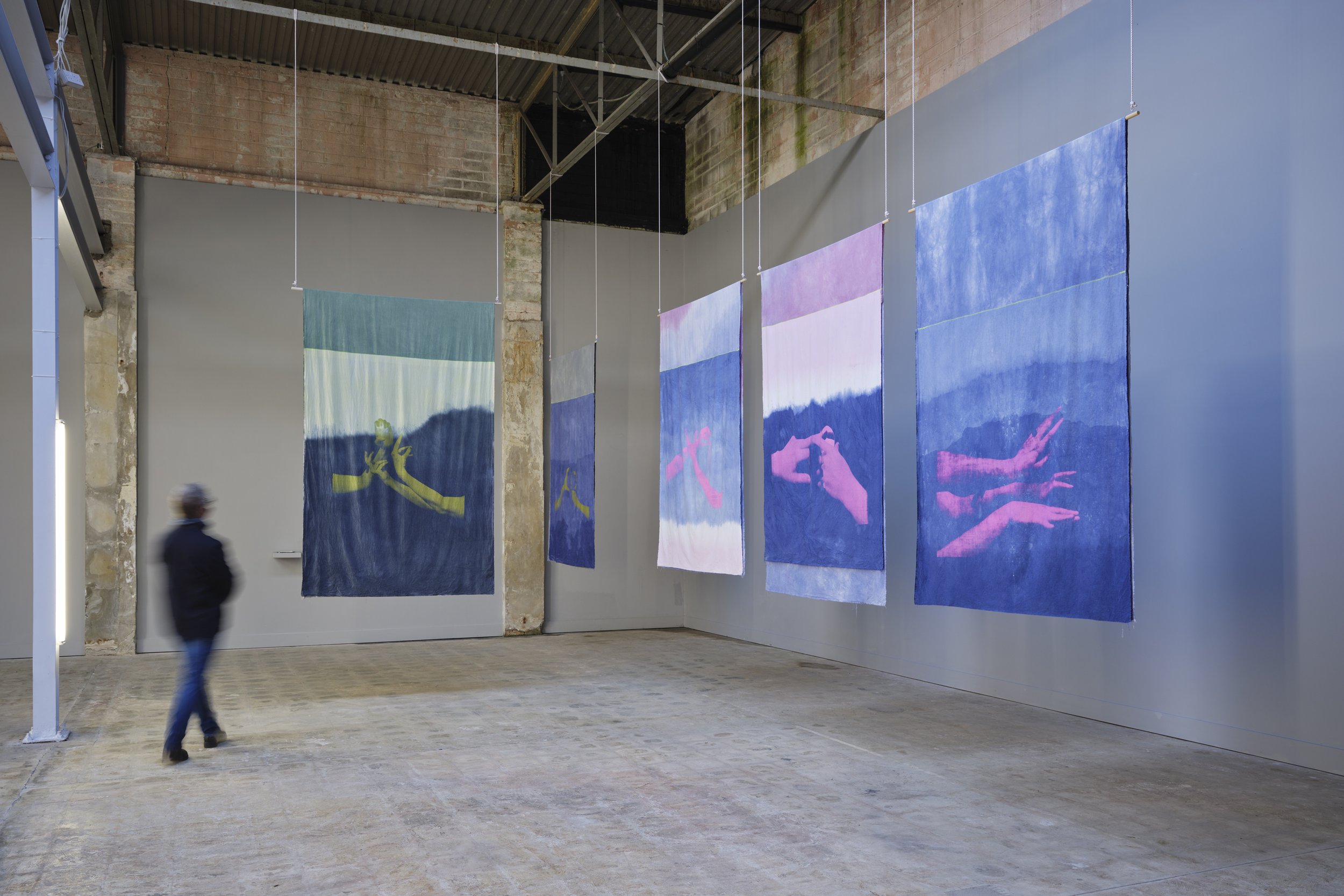
 The Many Headed Hydra, Oracle Flags, 2017, hand-dyed cotton, screen printed images, wood and rope, with accompanying publications, installation view at An Post Gallery, November 2021; photograph by Ros Kavanagh, courtesty of the artists and TUL

The Many Headed Hydra, Oracle Flags, 2017, hand-dyed cotton, screen printed images, wood and rope, with accompanying publications, installation view at An Post Gallery, November 2021; photograph by Ros Kavanagh, courtesty of the artists and TULCA Festival of Visual Arts.

Ephemeral Permanence


JENNIE TAYLOR INTERVIEWS EOIN DARA, CURATOR OF TULCA FESTIVAL OF VISUAL ARTS 2021.

Jennie Taylor: How do you see TULCA 2021 in the context of your broader curatorial practice?

Eoin Dara: Much of my work over the last decade has been within public institutions, collaborating with colleagues to develop exhibition programmes across years at a time, and working very slowly with artists towards new solo commissions. So, to shift gear into curating a festival that took place in one short burst over a few weeks, with a whole host of different artists, writers and contributors, was a wild and beautiful ride. But in much of the work I’ve been doing for a few years now, I have been collaborating with and learning from artists who, I think, are delving into really expansive ideas about tenderness and intimacy in their work, and that really sat at the heart of a lot of my early thinking around developing an edition of TULCA. I should say that, that thinking was also pre-pandemic, and then, to be blunt, I really just doubled down on these ideas throughout lockdown and started to try and shape a programme that spun out and around conversations about love and closeness and connection.

JT: How did you find the TULCA open-call process for artist submissions? How many artists participated in the festival?

ED: I remember vividly being petrified at the thought of having to write a curatorial statement for the open call. I hadn’t even been able to visit the city at that point; we were still in lockdown, and everything in my life seemed to be uncertain in ways I could never have imagined. So, I wrote quite a personal letter instead, trying to be open about the impossibility of the situation, and also throwing out there some loose associations and tangential ideas that I had been obsessing over in my solitude. I had been mulling over a question posed by Ocean Vuong in his poem, On earth we’re briefly gorgeous, where he asks: “Don’t we touch each other just to prove we’re still here?” and had George Michael’s masterpiece Out- side on repeat at home. This perfect pop song (which advocates for a joyful abundance of casual sex in public spaces) is where I longingly lifted the title for the project from.

The response to the letter was really overwhelming and I was incredibly touched by the way people seemed to connect with it. This process was really invaluable for me, as it meant I got a chance to delve into hundreds of pieces of correspondence, telling me about contemporary practice across Ireland and further afield in the midst of a pandemic where I couldn’t travel and see shows or do studio visits or engage in research in all the ways I would have done previously. It was also an incredibly difficult process, as we only had resources to support a very small number of proposals. In the end, there were 24 contributors to the programme this year; nine were writers and poets, and 15 were visual artists (nine of which were selected from the open call).

JT: The format of an accompanying publication is a compact series of letters, which appears as an artwork and tends to entangle the exhibition with sensitivity and precision. What made you decide to work with letters in this way?

ED: In the publishing work that I do, I always try and make a publication an active, artistic element of a project, and not simply have it document/ record/ narrate other kinds of work. And on a personal level, I’m nurtured by poetry and writing as much as I am visual art, so I always wanted to draw liter- ary voices into my plans for TULCA to speak as part of the programme in different ways. After writing the letter for the open call I kept thinking about different kinds of personal dialogues and the ways in which we have all had to renegotiate our means of communication with loved ones over the course of the pandemic.

So, whilst still in lockdown, from my own place of mandatory solitude, I extended an invitation to a number of writers and poets to be part of the festival, asking them if they might consider penning a letter of love or longing, to someone or something just out of reach. These letters then formed the publication as it were, gathered in a little folio case and printed in an edition of 400. Over the course of the festival, we also displayed them at each exhibition venue for people to read as they moved through the other artworks on display, and we also presented them in the windows of Galway City Library, to be read from the street. For me, this element of the project was perhaps about trying to gesture towards the power (and beauty and joy) of being able to experience private, intimate moments and modes of correspondence in public.

JT: In discussions about the festival, you have mentioned bell hooks’ book, All About Love: New Visions, and person- al conceptions of love. Can you describe how this thinking operates as a foundation to your practice?

ED: The artists I work with are very often challenging or resisting the dominant culture that shapes the world around us, and this is a culture built on capitalism, patriarchy, and white supremacy. And if we’re to resist this, we have to create space to wallow in all of the things this culture fears. Things like empathy, vulnerability, togetherness, rest, pleasure, and most of all, love. So, a question I’ve been working through in my practice for some time centres on this idea of resistance through love – is it possible to work with a productive conception of love as a curatorial methodology? Can I champion artists who are pushing forward a conception of love like this in their work?

And as you mentioned, this steps off from bell hooks’ definition of love as an action, not just a feeling. If love is action, there is intent, responsibility and accountability within it, and it can be used as a powerful catalyst for change. Through her writing, hooks puts forward an idea of love comprising a combination of six ingredients: care, commitment, knowledge, responsibility, respect and trust. So, I’m trying to mix these ingredients into my curatorial work, into the support I try to offer artists, into the exhibitions and projects that I’m responsible for. I’m asking myself: “in what way does the action that I’m taking or the work I am doing reflect these values?” It’s a constant process of learning and adjusting to new circumstances and conversations, thinking of love as an active, political entity to grapple with.

JT: The multiplicity of intimacies and correspondence embedded in this project have a contradictory sense of ephemeral permanence; perfume, letters and archives take place in lasting ways. Now that the festival has concluded its physical state, how do you see the work continuing, if it does at all?

ED: I love the idea of ephemeral permanence. I don’t think I’m too interested in the idea of hard permanence in any of the projects I work on. I much prefer things to be slippery and soft, and for them to maybe fade in and out of view or disappear and then perhaps unexpectedly crop up again in the future in a slightly different form. If I’ve been able to pro- vide a space for an artist to work through an element of their practice and present some new ideas that might help nurture them and their future work, I’m delighted. And I know that so many of the works in this project will have further life and growth beyond the festival itself. TULCA was a particular constellation of voices gathered together for a particular moment in Galway this winter. And that’s enough. For me, in some ways it did feel fleeting, but I also know I’ll still be feeling my way through what we all did together in this project for a long time.


Jennie Taylor is an art writer living and working in Dublin.
jennietaylor.net

Eoin Dara is an Irish curator living on the east coast of Scotland. TULCA Festival of Visual Arts 2021, titled ‘there’s nothing here but flesh and bone, there’s nothing more’, ran from 5 to 21 November 2021.

The contributors to the TULCA 2021 programme were artists, filmmakers, writers and poets: Sophia Al-Maria, Claire Biddles, Renèe Helèna Browne, Miriam de Búrca, CAConrad, Mariah Garnett, Lauren Gault, Patrick Hough, Adrien Howard & K Patrick, Jasmine Johnson, Vishal Jugdeo & vqueeram, Stanya Kahn, Theodore Kerr, Sekai Machache, Mira Mattar, The Many Headed Hydra, Mícheál McCann, Tonya McMullan, Harun Morrison, Isobel Neviazsky, Laura Ní Fhlaibhín, Nisha Ramayya, Amanda Rice and Jay G Ying.
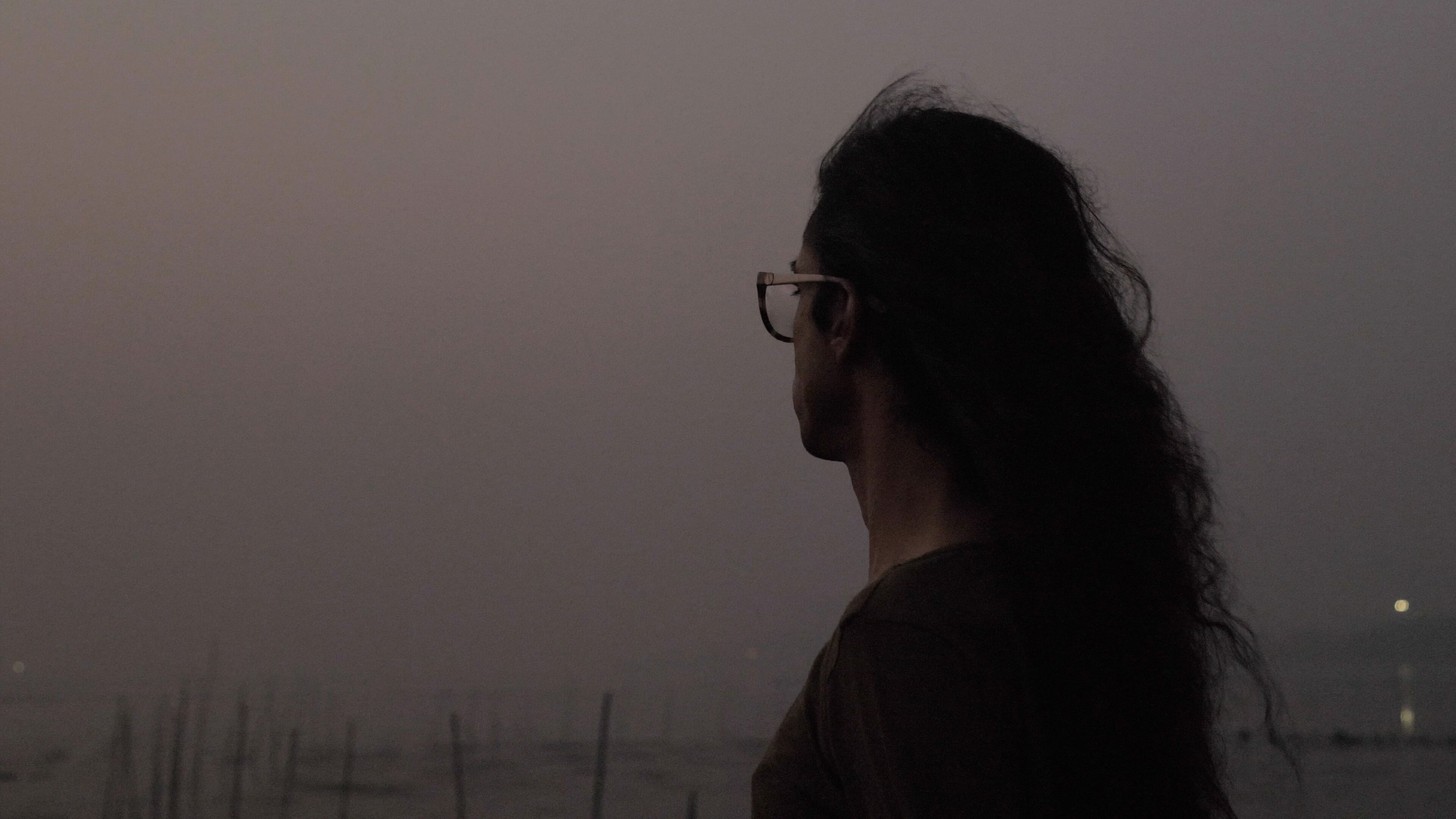
Source: https://visualartistsireland.com/out-now-j...

REVIEW: Iarlaith Ni Fheorais | Frieze

November 17, 2021 TULCA Festival of Visual Arts
  Vishal Jugdeo & vqueeram,  Does Your House Have Lions , 2021, film still. Courtesy: the artists and TULCA Festival of Visual Arts

Vishal Jugdeo & vqueeram, Does Your House Have Lions, 2021, film still. Courtesy: the artists and TULCA Festival of Visual Arts

 Adrien Howard & K Patrick,  Silence , 2021, installation view. Courtesy: the artists and TULCA Festival of Visual Arts; photograph: Ros Kavanagh

Adrien Howard & K Patrick, Silence, 2021, installation view. Courtesy: the artists and TULCA Festival of Visual Arts; photograph: Ros Kavanagh

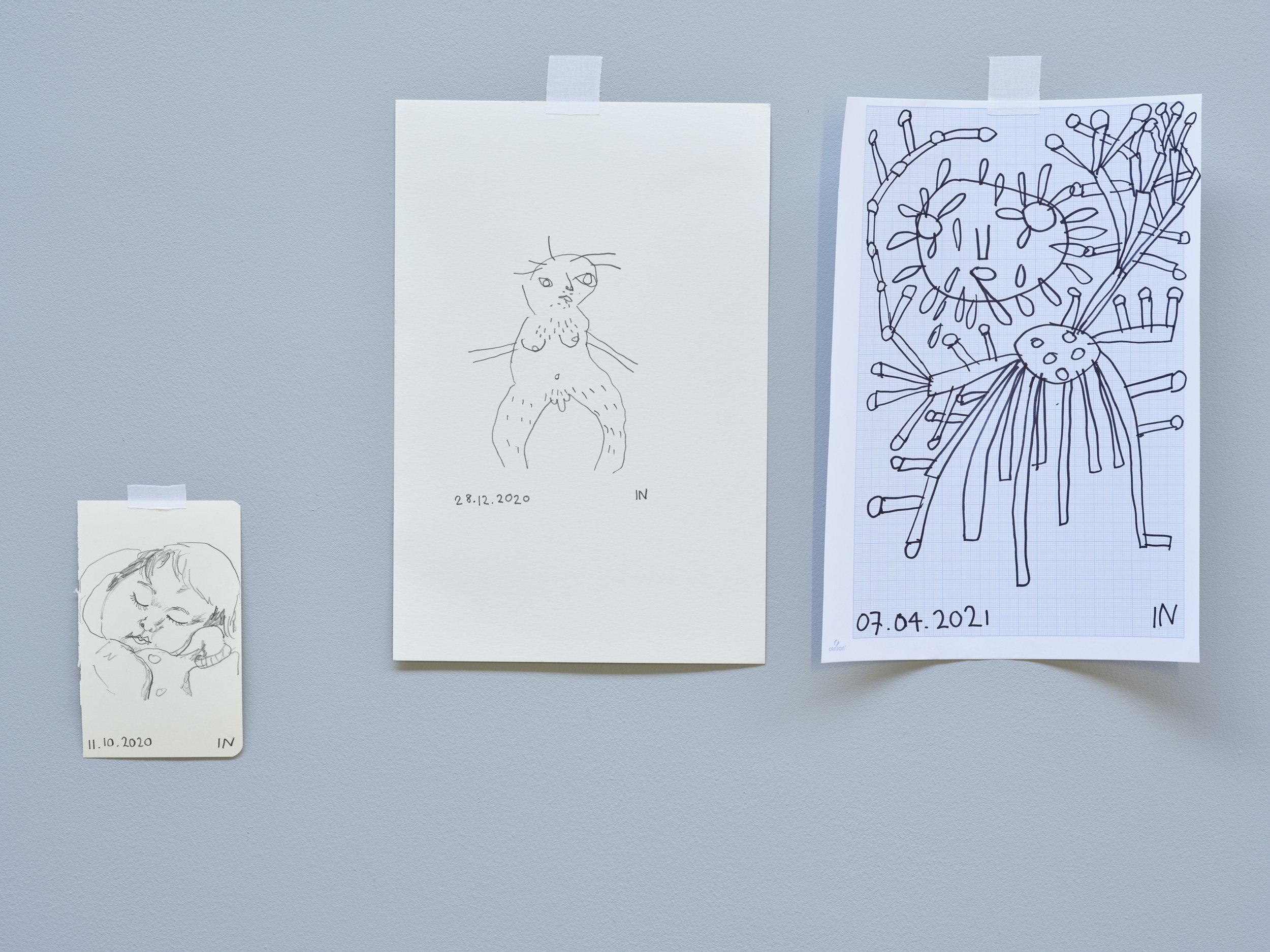
 Isobel Neviazsky,  Material is a Friend , 2021, graphite, felt tip, charcoal and pen on paper, installation view. Courtesy: the artists and TULCA Festival of Visual Arts; photograph: Ros Kavanagh

Isobel Neviazsky, Material is a Friend, 2021, graphite, felt tip, charcoal and pen on paper, installation view. Courtesy: the artists and TULCA Festival of Visual Arts; photograph: Ros Kavanagh

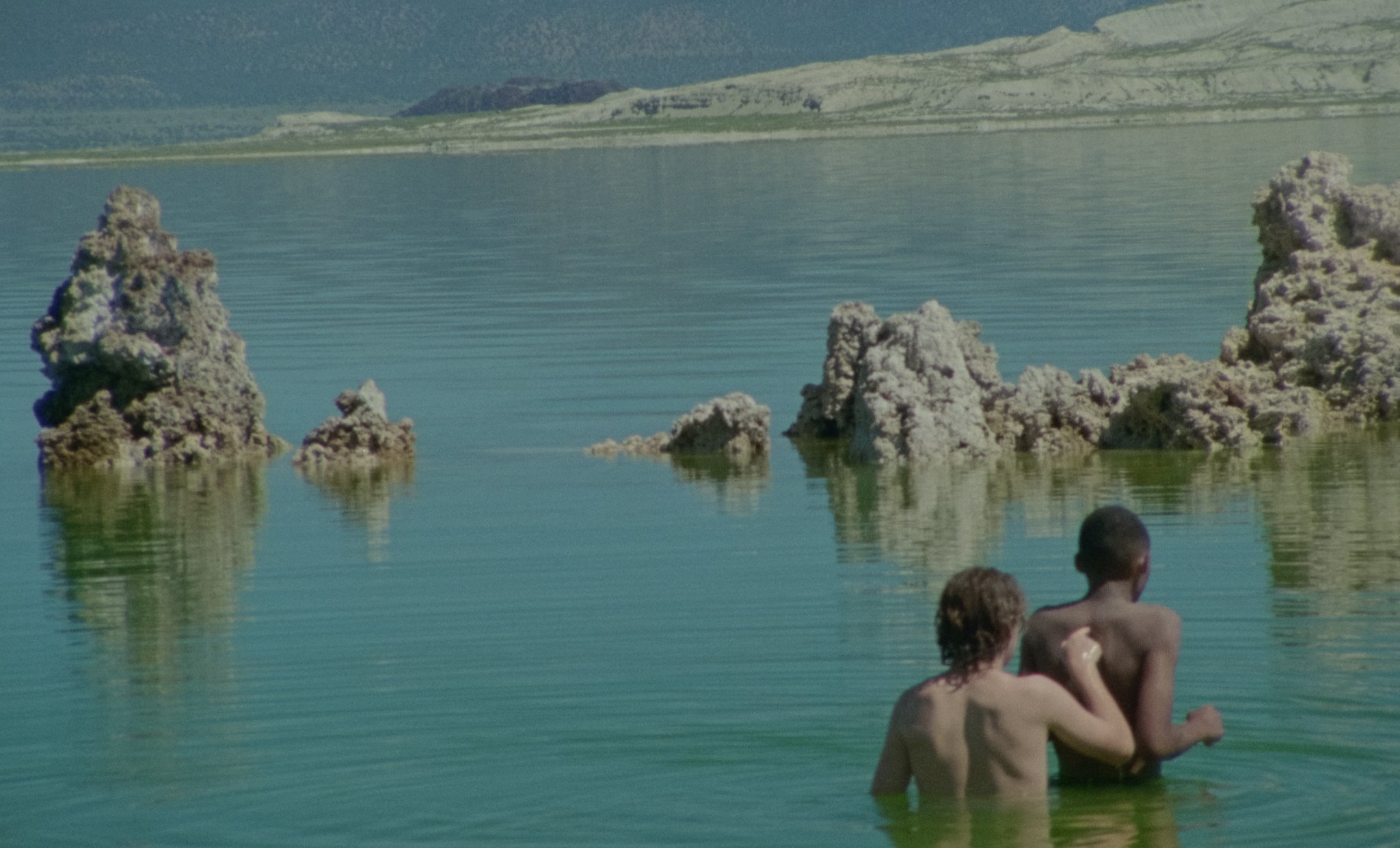
 Stanya Kahn,  No Go Backs , 2020, film still. Courtesy: the artist and TULCA Festival of Visual Arts

Stanya Kahn, No Go Backs, 2020, film still. Courtesy: the artist and TULCA Festival of Visual Arts

Love, Longing and George Michael at TULCA Festival of Visual Arts


The 19th edition curated by Eoin Dara sees artists pen love letters in Ireland through conversations about cruising, gender and the internet

Returning home to the sodden air of Galway can be bittersweet. It’s a city that lives fondly in my memory as a student town on the edge of Ireland, where oddness was abundant and tolerated with grace. Today, its heart faces the belt of multinationals flanking its periphery. Amid this tension, the annual TULCA Festival of Visual Arts returns this year, curated by Eoin Dara. The title of the festival’s 19th edition – ‘there’s nothing here but flesh and bone, there’s nothing more’ – quotes from George Michael’s 1996 hit ‘Outside’. Dara’s curatorial statement frames the citywide event in a list of familiar yet poetic fragments such as ‘wet caresses, soft affection, immortal loves, necessary resistance, quiet rest, careful togetherness, boundless longing, abiding loss’. Love and longing are a thread throughout the programme, with a particular emphasis on trans subjectivities and queer intimacy, touch and sensuality.

Dara commissioned nine artists and writers to pen love letters to hang alongside many of the artworks, including a poignant reflection on the ‘encroachments, entanglements and negotiations’ of growing together in love by Sophia Al-Maria. It shares a space with Vishal Jugdeo & vqueeram’s 48-minute film Does Your House Have Lions (2021). It intimately – at times, voyeuristically – follows the lives of a group of queer friends as they negotiate the rise of Prime Minister Narendra Modi and fascism in India and the intersecting conditions of gender, sexuality and caste through conversations about cruising, protests and the internet. We gain fleeting insights into the affinities and tensions that frame these relationships, broken up over chunks of time dictated by COVID-19. The words of vqueeram, a matriarch of the group, reverberate: ‘We’re not trying to get rid of ugliness and loneliness, we try to make ugliness and loneliness more liveable.’

In Adrien Howard & K Patrick’s film Silence (2021), the narrator, a rock called Merlin, recites poetic words of trans wisdom, such as ‘passing is old fashioned; cruising fine’, as the camera focuses longingly on a suggestive armpit. All this work about cruising for sex makes me wonder if anyone can live up to such utopian excess. In her love letter, Claire Biddles ponders the same thing, writing: ‘I love the idea of queerness as abundance, but I can’t seem to hold onto the reality.’ In the same space hangs Isobel Neviazsky’s joyously childlike series ‘Two Figures’ (2021). Their affecting drawing of trans bodies further stakes the centrality of transness in the festival, capturing a hidden messy process of in-betweenness – eyes wild, leg and chest hair sprouting – that usually remains unseen.

As you cross the River Corrib into the west of the city, a large wall text in Indian ink by Galway-based Miriam de Búrca comes into view at Galway Art Centre. De Búrca’s Here, there and anywhere(2021) focuses on cilliní – unmarked Irish graves of the unbaptised, disabled, disgraced and queer – calling our attention to a disturbing history. In a country where the last Magdalene Laundry – Catholic institutions where unmarried young mothers were systemically abused – closed as recently as 1996, these drawings remind us of the violence this country inflicted on its unwanted, dead or alive. Upstairs, Stanya Kahn’s nostalgia-tinged 16mm film No Go Backs (2020) follows a group of teens as they traverse a post-collapse Eastern Sierra, conjuring up the loyalties, boredom and resilience of teenhood.

With this year’s TULCA, Dara has created a sensitive and tender moment to reflect on stories, histories and acts that ask us to slow down and share in a joke. There’s nothing overly spectacular here; everything is on a human scale like the quotidian majesty of fucking outside.

IARLAITH NI FHEORAIS

Iarlaith Ni Fheorais is a curator based between Ireland and London, UK.

Source: https://www.frieze.com/article/tulca-visua...
In reviews

TULCA listed in 'The Top 7 Shows to See in the UK and Ireland' by Frieze

November 17, 2021 TULCA Festival of Visual Arts

Stanya Kahn, No Go Backs, 2020, film still. Courtesy: the artist and TULCA Festival of Visual Arts

The Top 7 Shows to See in the UK and Ireland

The best shows to see this winter – from the George Michael-inspired TULCA Festival in Galway to an archive exhibition of Phyllis Christopher’s photographs in Birmingham

TULCA Festival of Visual Arts
Various venues, Galway 
5 – 21 November 2021 

The title of the festival’s 19th edition – ‘there’s nothing here but flesh and bone, there’s nothing more’ – quotes from George Michael’s 1996 hit ‘Outside’, while Eoin Dara’s curatorial statement frames the citywide event in a list of familiar yet poetic fragments such as ‘wet caresses, soft affection, immortal loves, necessary resistance, quiet rest, careful togetherness, boundless longing, abiding loss’. Love and longing are a thread throughout the programme, with a particular emphasis on trans subjectivities and queer intimacy, touch and sensuality.
– Iarlaith Ni Fheorais

Source: https://www.frieze.com/article/7-shows-see...
In reviews

TULCA 2021: there’s nothing here but flesh & bone, there’s nothing more

November 12, 2021 TULCA Festival of Visual Arts

Welcome to the 19th edition of TULCA Festival of Visual Arts, curated by Eoin Dara under the title there’s nothing here but flesh & bone, there’s nothing more.

Developed over the last year under different levels of lockdown between Ireland, Scotland and several other countries where some of the contributors to the programme reside, the festival seeks to gently offer up some conversations around closeness and connection at a time when we are just beginning to gather again in proximity to one another.

This project is an aggregate of many unwieldy things including wet caresses, soft affection, immortal loves, necessary resistance, quiet rest, careful togetherness, boundless longing, abiding loss, honeyed scents, close correspondence, vocal exaltation, enduring solidarity, unexpected intimacies, ecstatic whispers and deep tenderness.

The title of the festival this year is lifted longingly from George Michael’s 2006 masterpiece Outside which advocates for an abundance of physical intimacy in public spaces.

Some of the artworks in the programme focus on different kinds of bodies — on flesh and bone — exploring how we inhabit them and connect with others (both living and dead, real and imagined); how we use them to resist or repair; how we care for them; how we find grace within them; and how we love and nurture them. Other projects reach back in time to touch forgotten figures, retell overlooked histories, and excavate lost narratives in order to try and understand our contemporary condition a little better. There are further works that reach across the world during the pandemic to craft community and togetherness when travelling to be with one another was impossible, and works that chart epic journeys into the unknown together, thinking towards an uncertain future in a world humankind has transformed irrevocably.

The contributors to this year’s programme are artists, filmmakers, writers and poets:

Sophia Al-Maria, Claire Biddles, Renèe Helèna Browne, Miriam de Búrca, CAConrad, Mariah Garnett, Lauren Gault, Patrick Hough, Adrien Howard & K Patrick, Jasmine Johnson, Vishal Jugdeo & vqueeram, Stanya Kahn, Theodore Kerr, Sekai Machache, Mira Mattar, The Many Headed Hydra, Mícheál McCann, Tonya McMullan, Harun Morrison, Isobel Neviazsky, Laura Ní Fhlaibhín, Nisha Ramayya, Amanda Rice and Jay G Ying.
There are artworks to see in the form of films, drawings, paintings, sculptures and installations. There are artworks to listen to in the form of soundscapes. There is an artwork to smell in the form of a perfume. There is correspondence to read in the form of love letters. There are talks to attend. There is a workshop to taste. There is a performance to witness. Take things slowly. Use your body, listen to it, be gentle with it — there’s nothing more.


TULCA 2021 Exhibitions

An Post Gallery
Tues-Sun / 12-6pm / 18 William St
At this site audio work lasts c.35 minutes, and film work lasts c.15 minutes

Renèe Helèna Browne, Claire Biddles, Laura Ní Fhlaibhín, Adrien Howard & K Patrick, Isobel Neviazsky, The Many Headed Hydra


Galway Arts Centre
Tues-Sat / 10-5pm / Sun 12-5pm / 47 Dominick St Lower
At this site the film work lasts c.35 minutes

Miriam de Búrca, Jasmine Johnson, Stanya Kahn, Theodore Kerr

126 Artist-Run Gallery
Tues-Sun / 12-6pm / 15 St Brigit’s Place
At this site the film work lasts c.50 minutes

Vishal Jugdeo & vqueeram, Sophia Al-Maria

Columban Hall
Tues-Sun / 12-6pm / Sea Road
At this site the film work lasts c.15 minutes

Mariah Garnett, Jay G Ying

The Windows of Galway City Library
Hynes Buildings, St Augustine St
Loving correspondence in the library windows from CAConrad, Sekai Machache, Mira Mattar, Mícheál McCann & Nisha Ramayya.

Tonya McMullan’s work appears at An Post Gallery, Galway Arts Centre, 126 Artist-Run Gallery and Columban Hall.


TULCA 2021 Event Programme

Artist Talk Series - CCAM GMIT
Curator's Talk by Eoin Dara | 01 Nov - 14:00
Artist Talk: Harun Morrison | 08 Nov - 14:00
Artist Talk: Renee Helena Browne | 15 Nov - 14:00 | Tickets
Artist Talk: Mariah Garnett | 22 Nov - 14:00 | Tickets

Harun Morrison: Nothing Special
Nun's Island Theatre
06 Nov - 12:00 (Irish) and 14:00 (English)
13 Nov - 12:00 (Irish) and 14:00 English) | Tickets

Gallery tour with curator Eoin Dara
An Post Gallery | 19 Nov - 11:00 | Tickets

Tonya McMullan Honey Tasting Workshop
Online workshop | 11 Nov - 18:00

We Used to Kiss All Night: An Evening of Moving Images from Lauren Gault, Amanda Rice & Patrick Hough
Pálás Cinema | 18 Nov - 7pm | Tickets

Image: Harun Morrison


TULCA 2021 Publication

there’s nothing here but flesh & bone, there’s nothing more

This limited edition publication has been produced on the occasion of the 2021 TULCA Festival of Visual Arts, curated by Eoin Dara.

The publication comprises a small folio of intimate correspondence written across 2021 from writers and poets in different parts of the world including Sophia Al-Maria, Claire Biddles, CAConrad, Theodore Kerr, Sekai Machache, Mira Mattar, Mícheál McCann, Nisha Ramayya and Jay G Ying.

These are letters of love and longing, written towards someone or something just out of reach.

Available to order now


TULCA Festival of Visual Arts
there’s nothing here but flesh & bone,
there’s nothing more
Curated by Eoin Dara
5 - 21 November 2021
Galway, Ireland


www.tulca.ie

Images: Ros Kavanagh

Announcement: Contributors to TULCA 2021

October 6, 2021 TULCA Festival of Visual Arts
Isobel Neviazsky, Two Figures 2021. Graphite on paper
 

TULCA Festival of Visual Arts is pleased to announce the contributors to its 2021 festival programme, titled there’s nothing here but flesh and bone, there’s nothing more, curated by Eoin Dara. 

Festival dates: 5 - 21 November 2021, pending government restrictions and public health advice.

Contributors to there’s nothing here but flesh and bone, there’s nothing more are artists, filmmakers, writers and poets:

Sophia Al-Maria, Claire Biddles, Renèe Helèna Browne, Miriam de Búrca, CAConrad, Mariah Garnett, Lauren Gault, Patrick Hough, Adrien Howard & K Patrick, Jasmine Johnson, Vishal Jugdeo & vqueeram, Stanya Kahn, Theodore Kerr, Sekai Machache, Mira Mattar, The Many Headed Hydra, Mícheál McCann, Tonya McMullan, Harun Morrison, Isobel Neviazsky, Laura Ní Fhlaibhín, Nisha Ramayya, Amanda Rice and Jay G Ying.
there’s nothing here but flesh and bone, there’s nothing more will unfold gently across different sites in the city in November including the An Post Gallery, Galway Arts Centre, Columban Hall, 126 Artist-Run Gallery, Nun’s Island Theatre, and Pálás Cinema.

This project is an aggregate of many unwieldy things including wet caresses, soft affection, immortal loves, necessary resistance, quiet rest, careful togetherness, boundless longing, abiding loss, honeyed scents, close correspondence, vocal exaltation, enduring solidarity, unexpected intimacies, ecstatic whispers and deep tenderness.

Everyone is warmly invited to this unfolding, to be touched by new artworks and ideas temporarily inhabiting Galway at the beginning of an unknowable winter. 


The names listed above have been drawn together through a process of direct invitation as well as through TULCA’s annual open call, which closed in April of this year. Of the 24 artistic presences within this year’s programme (which includes 3 collaborative practices), 14 were invited and 10 were selected through the open call. Further to this, several of these voices will speak through letters and written correspondence which will be gathered together to form this year’s TULCA publication as well as appear throughout Galway during the run of the festival.


“Working towards TULCA this year has been a profound experience for me so far, both professionally and personally — not least due to the ongoing uncertainty that occupies so much of our collective thinking as we continue to move through the pandemic. 

From corresponding with hundreds of artists through the open call process in spring, to then embarking on detailed conversations with this year’s contributors to shape the programme over the last six months, I have learned such a great deal and I’m honoured to have been able to develop these connections across a vast breadth of artistic practice in such peculiar circumstances.

I feel immense gratitude and affection towards everyone involved in this year’s festival for allowing me to draw together their work in this way, and I am so looking forward to sharing all of it in Galway this November.”

— Eoin Dara, Curator


TULCA Festival of Visual Arts
there’s nothing here but flesh and bone,
there’s nothing more
Curated by Eoin Dara
5 - 21 November 2021
Galway, Ireland


www.tulca.ie

Image: Isobel Neviazsky, Two Figures 2021. Graphite on paper. Courtesy the artist.

← Newer Posts Older Posts →

2019

curator

open call

news

press

opportunties

volunteer

education

about

mission

funding

who we are

archive

TULCA 2025
Curator
Open Call
Gallery Map
Talks
Access

TULCA 2024
Curator
Open Call
Artist Insights
Programme
Gallery Map
Talks

TULCA 2023
Curator
Open Call
Artists
Programme
Gallery Map
Talks

News
Reviews
Talks
Podcasts
Education
Volunteer
Shop

Opportunities
Mailing List
Funding
Board
Team
Mission
Contact

TULCA
Earlswell Court
Cross St Lower
Galway H91 N6WK
Ireland

e: info@tulca.ie

ac-funding-visual-arts-ke-rgb-black.png
GCC logo black landscape.png
gcc-logo.jpg

Mailing List

© 2026 TULCA Festival of Visual Arts | Registered Charity No. CHY20745
Privacy | Governance | Constitution